Tell me what kind of apartment you`re looking for, and I`ll quickly find offers that meet your expectations for free, as well as advise you on which one is best to choose.
Villa in Spain – how to choose a region, property and buy safely
Buying a villa in Spain can be a good option for people looking for a second home, planning a relocation, rental income or a long-term capital investment. However, the key is to match the region, standard and total budget to how the property will be used, rather than choosing based solely on photos or the asking price.
This guide is intended for Polish buyers and investors who are not familiar with Spanish legal procedures or the local market. It is for informational purposes only and does not replace individual legal, tax or investment advice. Regulations, taxes and costs should be confirmed for the specific autonomous community and transaction.
Villa in Spain: who is it a good choice for?
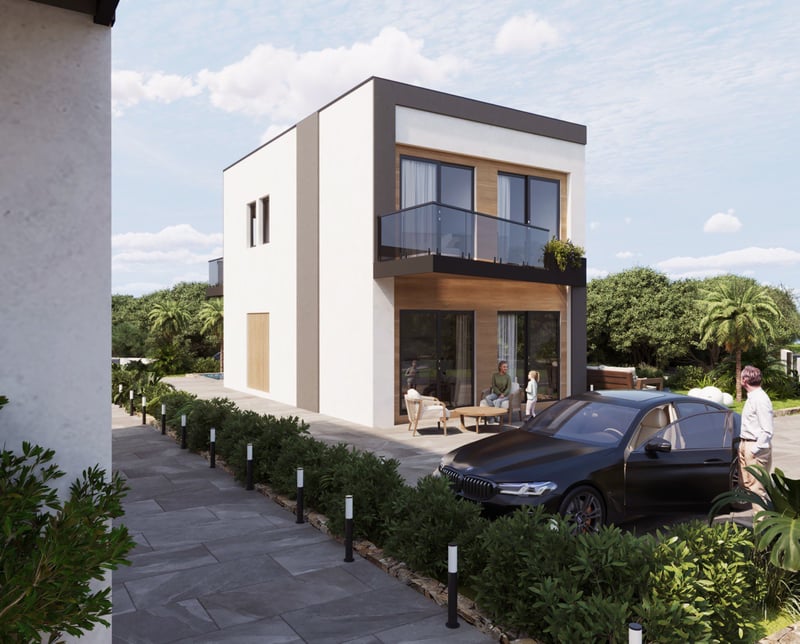
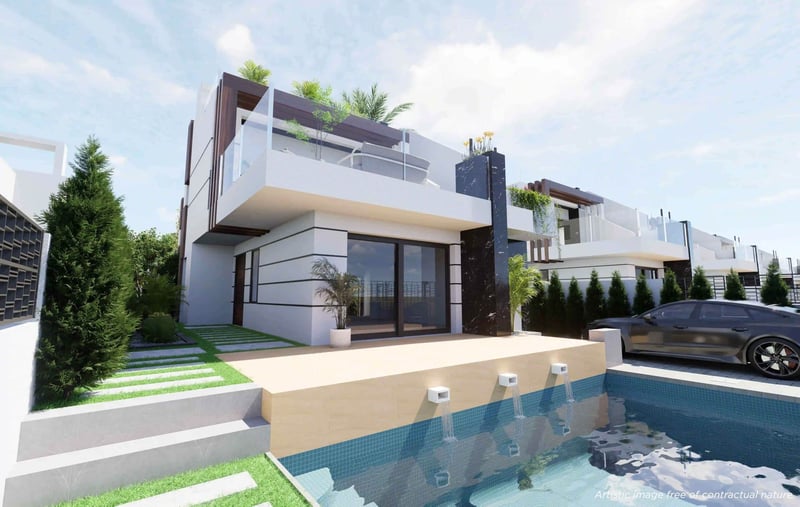
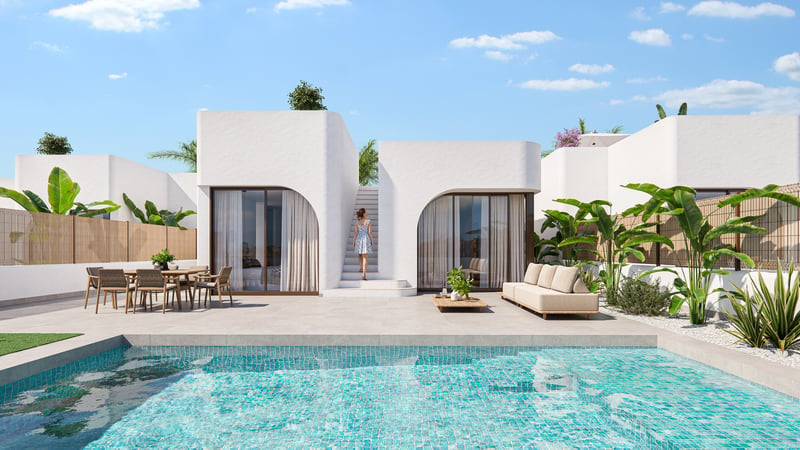
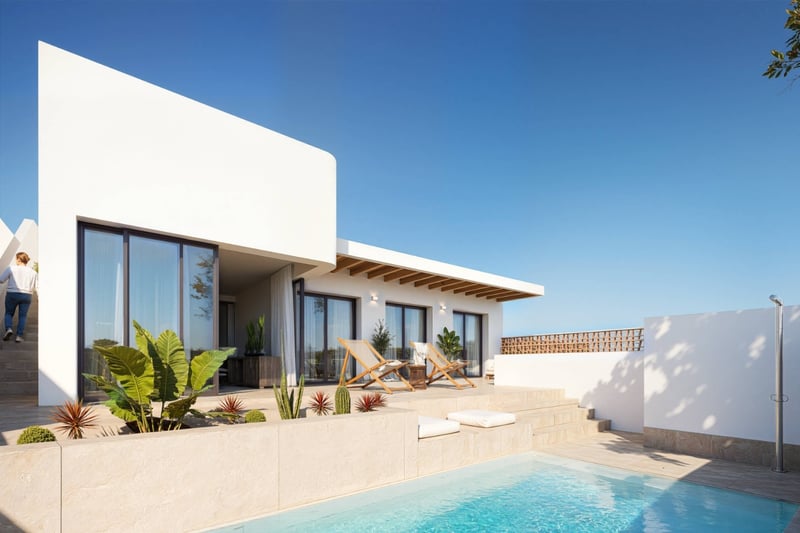
A villa in Spain is usually a detached or semi-detached house with a private plot, often featuring a terrace, garden or swimming pool. It may come from the primary market, meaning a new development project, or from the resale market, where the property has already had a previous owner.
Villas in Spain are chosen by people who want to spend time there regularly, create a base for remote work, relocate with their family or make the house available to tenants. For some buyers, privacy, their own outdoor space and the possibility of using the property outside the holiday season are also important.
It is worth starting the purchase of a house in Spain by answering three questions: how often it will be used, who will manage it when the owner is absent, and what budget includes not only the purchase price but also taxes, furnishing and maintenance. Luxury villas with sea views may suit different needs than functional homes in Spain located close to schools, shops and year-round infrastructure.
Villa for personal use, rental or investment
A villa used by its owner should first and foremost suit their daily lifestyle: commuting, shopping, healthcare, airport access and preferred surroundings. A family using the house for several months a year may assess the layout differently from someone planning a permanent relocation.
For short-term rentals, local rules, the realistic possibility of obtaining the required permits, seasonality, and the costs of reservation management and servicing are important. A specific rate of return should not be assumed without analysing the municipality, rental model and full costs.
A long-term investment, on the other hand, requires an assessment of the location, quality of the project, potential resale liquidity and market risk. Each of these goals leads to a different choice of region and property.
New villa or resale property
A new villa may offer modern technical solutions, a higher energy standard and the option to choose some finishes during construction. However, the schedule, terms of the developer agreement, scope of fittings and security of payments must be checked carefully.
A resale home may be located in a mature, already developed area, making it easier to assess the neighbourhood, access and available services. On the other hand, it may require renovation, upgrades to installations or the organisation of documentation. Neither option is automatically better—the decision should be based on the purpose of the purchase and independent verification.
The best regions for a villa in Spain
There is no single best region for a villa in Spain. Costa Blanca, Costa del Sol, Costa Cálida, Almería and Mallorca differ in air connectivity, type of development, climate, seasonality and the scale of urban infrastructure. Before making a choice, it is worth comparing not only the distance from the beach but also the location’s practicality for everyday life.
Region
Location characteristics
Best suited for
Typical properties
What to check before buying
Costa Blanca
Coastline with cities and quieter residential areas
Second homes, families, buyers looking for year-round services
Urban villas, homes in residential developments, golf projects
Access, distance from the sea, rental licences, neighbouring development
Costa del Sol and Malaga
Well-developed infrastructure and a wide range of services
Active buyers, people relocating, premium segment
Villas with views, homes near golf courses, suburban developments
Competition for good locations, seasonal traffic, maintenance costs
Costa Cálida and Murcia
Quieter surroundings and a less intensive character in some towns
Buyers who value relaxation and access to golf courses
New developments and suburban villas
Year-round services, transport, local rental restrictions
Costa de Almería
Drier climate and more intimate towns
People seeking a less crowded coastline
Houses and villas outside the main resorts
Transport accessibility, infrastructure, development plans
Mallorca
Island lifestyle and varied coastal areas
Buyers focused on a second home or longer stays
Seaside villas and homes inland
Seasonality, local regulations, property availability
Costa Blanca: Alicante, Torrevieja, Algorfa and Los Montesinos
Costa Blanca offers a wide choice between city life and quieter locations. A villa in Alicante may suit people for whom flight connections, services and an urban character are important. A villa in Torrevieja is often considered by buyers looking for access to beaches, restaurants and infrastructure available for most of the year.
Algorfa and Los Montesinos may be of interest to those who prefer more peace, privacy and homes closer to golf or agricultural areas. Before buying, it is worth personally checking the route to the beach, supermarkets, healthcare facilities and the airport. A short distance on a map does not always mean an equally convenient journey.
Costa del Sol and Malaga: lifestyle and the premium market
Costa del Sol and the Malaga area attract buyers with well-developed infrastructure, international flight connections and a wide choice of restaurants, services and activities throughout the year. It is a destination for people who want to combine holiday stays with more frequent use of their property.
In many locations, attractive villas are highly sought after, which makes a quick but well-organised document review and a realistic comparison of standards important. The terrain, access road, plot orientation and whether the view stated in the listing is likely to remain unobstructed should also be taken into account.
Costa Cálida, Almería and Mallorca: when it is worth considering an alternative
Costa Cálida in the Murcia region may suit people who want a quieter pace and are considering a property near golf courses or smaller towns. A villa in Murcia does not necessarily mean a house directly by the sea, but it can be practical for buyers who prioritise space and everyday comfort.
Costa de Almería has a different, drier climate and less intensive tourist development in many areas. Mallorca, in turn, may be the choice for people consciously seeking island life, taking into account the seasonality of connections and the specifics of local regulations. In every case, rental rules and urban planning regulations should be checked for the specific municipality.
How to choose a villa for sale in Spain?
A villa for sale in Spain should be assessed in terms of the total cost of ownership, legal status and actual intended use. The price of a house for sale in Spain alone does not show how much the transaction, furnishing, tax, pool servicing or possible finishing work will cost.
When comparing listings, it is worth using a short checklist:
Define the purpose of the purchase and the planned frequency of stays.
Set a budget covering the price, transaction fees and a reserve for furnishing.
Compare the location at different times of day, not only during one viewing.
Check the legal status, construction documentation and encumbrances on the property.
Assess annual costs, including local tax, community fees, utilities and garden maintenance.
Determine whether the layout of the house suits the real needs of the family or rental model.
Villas with pools and villas with sea views can be particularly sought after, but their appeal does not remove the need for careful analysis. A view may depend on future development on neighbouring plots, while a pool involves specific maintenance responsibilities.
Location, plot and property surroundings
During a viewing, check noise levels, privacy, the width of the access road, plot slope, parking availability and distance from essential services. It is worth visiting the area in the morning, evening and at the weekend, when traffic may look different than during a viewing appointment.
It is also important to verify urban planning documents, meaning information on permitted development and planned investments nearby. This review helps reduce the risk of buying a home whose surroundings may soon change significantly.
Villa standard and amenities that affect everyday use
A private pool, garden and large terrace increase comfort, especially during family stays and longer periods of using the house. At the same time, they require a maintenance plan: watering, cleaning, servicing installations and securing the property when the owner is away.
Air conditioning, heating, shutters, an alarm system and private parking are not merely premium extras. For people planning winter stays, they can affect comfort and ongoing bills. A jacuzzi or balcony should be assessed in terms of actual use, rather than only its visual effect in a catalogue.
How to buy a villa in Spain step by step?
Buying a villa in Spain runs smoothly when commercial and formal decisions are handled in parallel, but in the right order. First, the property is selected and its documents are verified; only then is a binding agreement signed and the notarial deed finalised.
Setting the criteria. Define the budget, purpose of purchase, region, preferred size and handover date.
Shortlisting properties and viewings. It is worth comparing locations and standards rather than limiting yourself to one attractive presentation.
Obtaining an NIE number. The Número de Identificación de Extranjero is a foreigner identification number required for many administrative and tax-related procedures in Spain.
Reservation and due diligence. Due diligence means a detailed legal and documentary review of the property before purchase.
Signing the agreement. Its terms, deadlines, payments and consequences of withdrawal should be explained by an independent lawyer.
Notarial deed and handover of keys. Completion takes place before a notary, followed by procedures related to registration and handover of the property.
A power of attorney may allow the buyer to be represented in specific procedures if they cannot be present in Spain. The scope of such a document should always be discussed with a lawyer.
Legal and technical checks before signing the agreement
Legal checks should include, among other things, ownership rights, entries concerning encumbrances, outstanding liabilities, compliance of the building with documentation and the terms of the agreement. For properties within a community, it is also worth checking the status of community fees and resolutions that may involve planned expenses.
Technical assessment is a separate stage. It concerns the condition of the structure, installations, roof, dampness, pool, air conditioning and elements requiring repair. A thorough inspection is not intended to create concerns, but to enable a decision based on facts.
The role of the adviser, lawyer and notary in the transaction
A property adviser helps translate the client’s goal into a choice of region and listings, arranges viewings and coordinates communication between the parties. However, they do not replace an independent lawyer, whose role is to protect the buyer’s interests regarding documents, contracts and legal risks.
A notary formalises the deed of transfer of ownership, but their role is not the same as comprehensive legal representation of the buyer. When the purchase is financed by a mortgage, a bank is also involved, while in the primary market the developer is responsible for fulfilling the agreement and delivering the project.
MAG World Properties supports clients in coordinating the process of buying property abroad and working with local lawyers. The company focuses on primary-market properties from verified developers, and its services for investors are paid for by developers, which means 0% commission on the buyer’s side.
Costs of buying and maintaining a villa in Spain
The costs of buying a villa in Spain include more than the price shown in the listing. The budget must take into account property purchase taxes in Spain, notary, registration, legal and banking costs—where applicable—as well as home furnishing.
The amount of tax depends, among other things, on whether a new property or a resale home is being purchased, as well as on the region and transaction structure. One rate should not be applied to the whole of Spain without confirming it for the specific location.
The costs of maintaining a villa in Spain usually include property tax, utilities, insurance, community fees, pool servicing, garden care and ongoing repairs. If rental is planned, there are also expenses for management, cleaning and guest services.
One-off expenses when completing the purchase
A one-off cost estimate should include the applicable tax, notary and registration fees, legal fees, translations, possible financing and furnishing. The primary and resale markets may involve different tax structures, so the calculation should be prepared before paying a reservation deposit.
A good standard is to receive a written breakdown of costs together with information on which items are estimates and which result directly from the agreement. This makes it easier to compare several villas for sale without confusing the starting price with the total budget.
From selecting a listing to collecting the keys: purchase support
A good property adviser in Spain begins cooperation with a conversation about the purpose of the purchase, budget and expected way of using the home. This allows listings from Costa Blanca, Costa del Sol or other regions to be assessed using the same criteria: location, schedule, standard, costs and document status.
At MAG World Properties, the process includes selecting primary-market listings, arranging viewings and coordinating the next stages with local specialists. The client can purchase a home in Spain personally on site or, depending on the situation and procedures, through remote assistance and a power of attorney.
Before a consultation, it is worth preparing an approximate budget in EUR, preferred regions, purchase timeline, intended use and a list of essential features, such as a pool, number of bedrooms or proximity to the beach. This information makes it possible to reject listings more quickly that look good in a catalogue but do not fit your plans.
If you are considering a villa in Spain, the safest step is first to define the purpose, full budget and model for document verification. Book a consultation regarding preferred regions, the type of property and the actual purchase conditions.
Frequently asked questions about villas in Spain
Can a foreigner buy a villa in Spain?
Yes, a foreigner can buy a villa in Spain. In practice, identification formalities must be completed, including obtaining an NIE number, and the legal review and signing of documents must be carried out safely. Tax and procedural details should be confirmed with a local lawyer.
How much does it cost to maintain a villa with a pool in Spain?
The cost of maintenance depends on the location, size of the home and scope of services. Local taxes, utilities, insurance, possible community fees, pool servicing, garden maintenance and repairs should all be taken into account. Before buying, it is worth asking for the property’s actual operating costs.
Is it better to buy a new villa or a resale home in Spain?
It depends on the buyer’s priorities. A new villa may offer a modern standard and phased customisation, while the resale market often provides an established, developed neighbourhood. In both cases, an independent review of documents, the agreement and the technical condition is needed.
Which documents should be checked before buying a villa in Spain?
The most important documents to check are proof of ownership, encumbrances, the building’s compliance with documentation and the terms of the agreement. Permits, the status of community fees and any outstanding liabilities are also important. The scope of the review should be confirmed by an independent lawyer acting for the buyer.
Which region of Spain is worth considering for a villa close to the sea?
It is worth starting with Costa Blanca, Costa del Sol, Costa Cálida, Almería and Mallorca, but the choice depends on your lifestyle. Alicante and Torrevieja may suit people who value services, Malaga those seeking an active lifestyle, and quieter parts of Murcia or Almería buyers looking for less intensive surroundings.
Thank you for trusting MAG World Properties. Our expert will contact you to discuss your purchase goals, budget, and preferred destination — and suggest the next step.