Tell me what kind of apartment you`re looking for, and I`ll quickly find offers that meet your expectations for free, as well as advise you on which one is best to choose.
Villas in Thailand: How to Choose a Location and Buy Property Safely
This guide is intended for people from Poland and other EU countries who are considering buying a new villa in Thailand as a second home, rental property, or part of long-term wealth diversification. It describes general rules applicable as of September 28, 2026. It does not replace individual legal, tax, or investment advice.
Villas in Thailand: Who They Are For and What to Expect
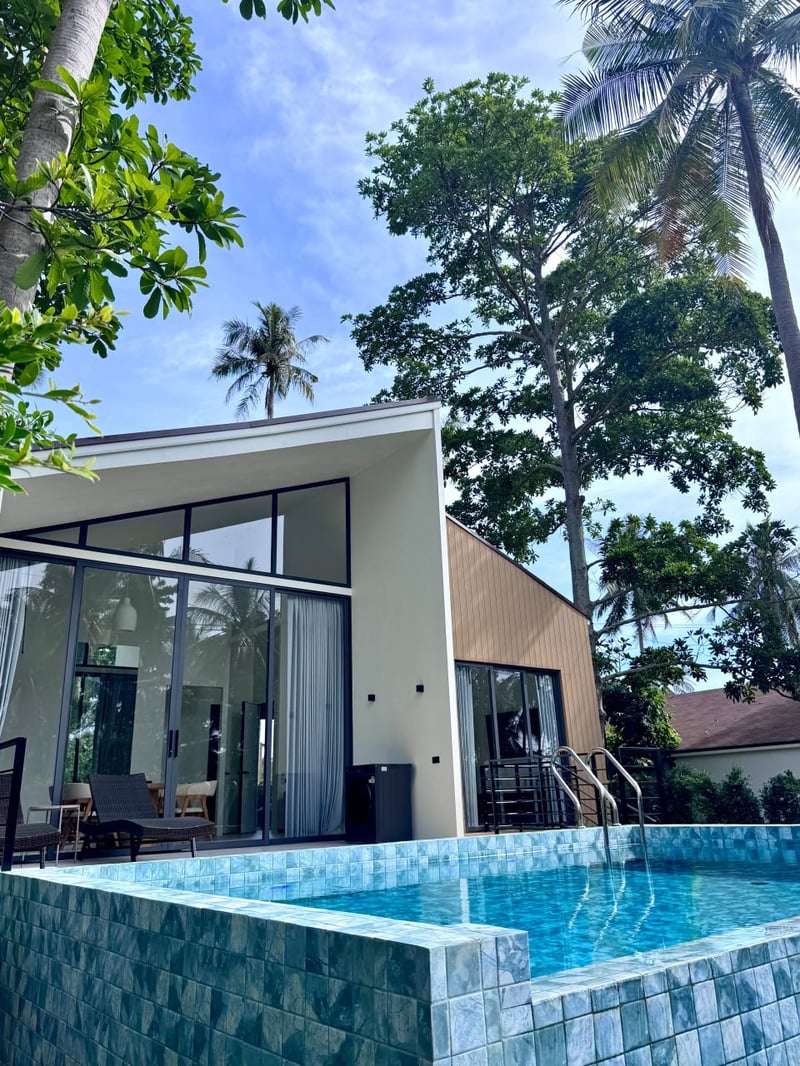
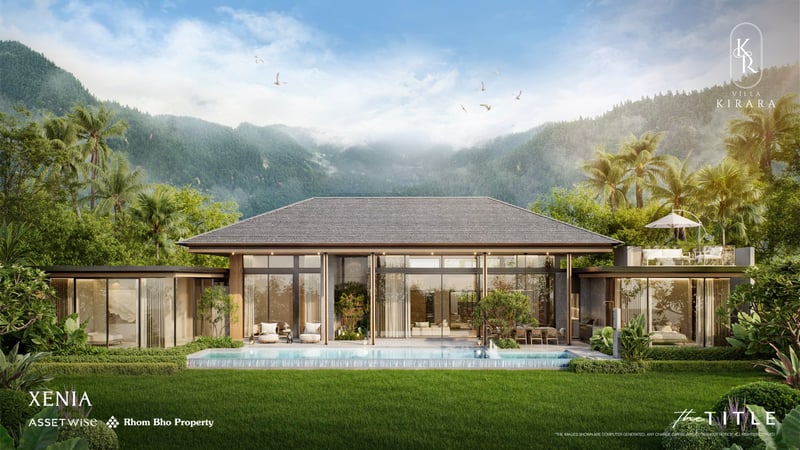
A villa in Thailand is typically a detached house, often with a private pool, garden, and its own outdoor space. It can serve as a holiday home, a base for longer stays, a rental property, or a combined model in which the owner uses it for part of the year.
Unlike an apartment in a condominium complex, a villa more often involves separate questions concerning the land, the building, and how the property is managed. Attractive architecture alone does not determine whether a purchase is a good one. Location, access to services, technical standard, rules for using the property, the legal structure, and a realistic maintenance budget all matter.
Luxury properties in Thailand may suit people who value privacy and more space than an apartment provides. They are also considered by investors interested in short-term rentals, but income depends on the season, competition, operator, project regulations, and periods of personal use. Rental income should not be treated as a guaranteed source of returns.
When choosing, it is worth answering three questions first: where you will actually spend time, how long you plan to own the property, and whether lifestyle, rental income, or a combination of both is the priority. Only then is it worth comparing specific villas in Thailand and their purchase structures.
The Most Popular Regions for Buying a Villa in Thailand
Thailand’s regions differ not only in climate and scenery, but also in air connectivity, season length, tourist profile, and everyday infrastructure. Beachfront villas in Thailand are a natural choice for people focused on holidays and vacation rentals, but they will not always be the best option for a family planning a stay of several months.
Phuket, Koh Samui, Pattaya, Hua Hin, Bangkok, and Chiang Mai meet different needs. Before making a decision, it is worth comparing travel time from the airport, distance from the beach or city center, road quality, access to hospitals, schools, and restaurants, as well as how the property is managed outside the high season.
Phuket, Koh Samui and Koh Lanta: Villas for Those Who Value Island Living
Phuket offers developed infrastructure, an international airport, a broad choice of restaurants, services, and residential developments. It is a market for buyers who want to combine their own stays with the ability to reach a wide group of tourists, but they should expect greater variation between locations and rental competition.
Koh Samui has a more island-oriented and relaxed character, although it also has a well-developed tourism offering. Koh Lanta is often chosen by people seeking more distance from intensive development and tourist traffic. In each case, it is worth checking access to the airport, beach, shops, and the range of technical services available for the villa.
Pattaya, Jomtien Beach and Hua Hin: Accessibility, Infrastructure and Year-Round Living
Pattaya and neighboring Jomtien Beach may suit buyers for whom easier access from Bangkok, extensive urban services, and the possibility of using the home more frequently throughout the year are important. The character of individual neighborhoods varies greatly, so comparing city names alone is not enough.
Hua Hin may be of interest to people looking for a quieter pace of life, golf courses, beaches, and regular stays outside the main tourist season. For some, proximity to Bangkok will be key; for others, privacy, views, or beach access. These priorities should guide the choice of development.
Chiang Mai and Northern Thailand: Villas Outside the Coastal Market
Chiang Mai and Chiang Rai are alternatives to a typical beach holiday villa. They attract people interested in culture, greenery, urban infrastructure, gastronomy, and longer stays in the northern part of the country.
Tourist demand and the climate in northern Thailand follow a different pattern than on the islands. This is a more suitable destination for relocation, remote work, or a quieter lifestyle than for an investor whose sole objective is holiday rentals by the sea. Before purchasing, seasonal environmental conditions specific to the location should also be taken into account.
What Types of Villas Are Available on the Thai Market
Villa sales in Thailand include several clearly different models: new villas in developer projects, ready homes on the resale market, professionally managed residences, and properties built to individual order. They differ in the buyer’s level of control, costs, time to take possession, and responsibility for management.
Comfort and costs are influenced not only by the number of bedrooms or a private pool. It is necessary to check the land plot size, installation standards, equipment, common areas, security, estate regulations, technical service, and rental rules. Building features should always be considered separately from land rights.
A managed residence is usually part of a project in which an operator handles rentals, technical requests, marketing, or maintenance of common areas. This can reduce the owner’s involvement, but requires an analysis of the contract, fees, scope of services, and options for using the villa independently.
A custom-built villa gives greater influence over the layout, materials, and finishes, but increases the importance of monitoring the project, schedule, budget, permits, and construction quality. It is not automatically better than a completed or project-based property—it simply requires a different level of oversight.
Villas in New Developer Projects
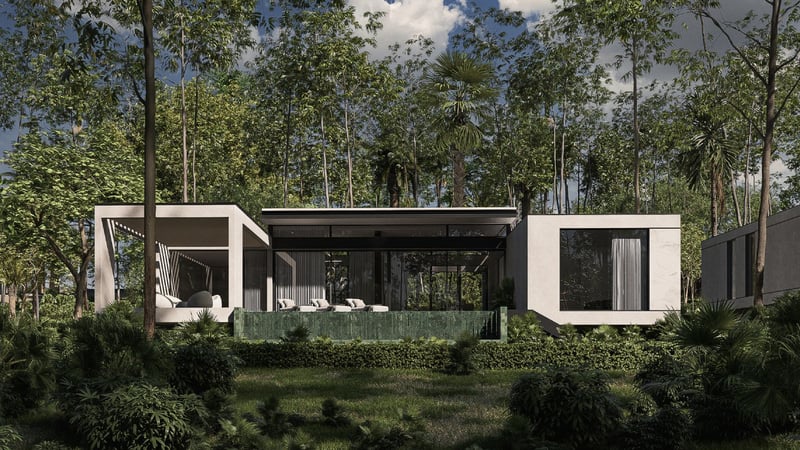
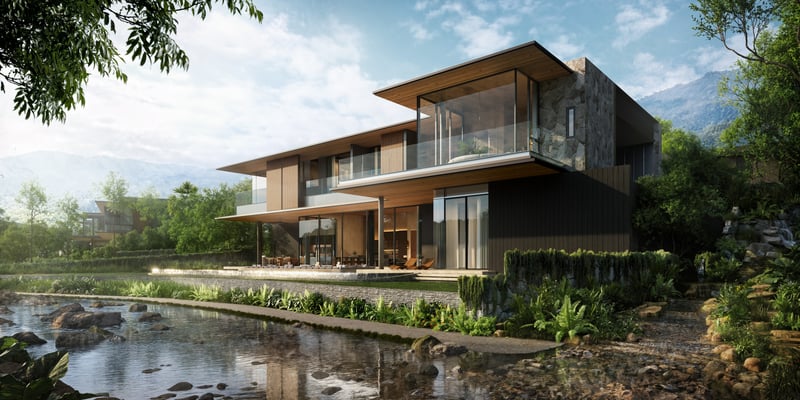
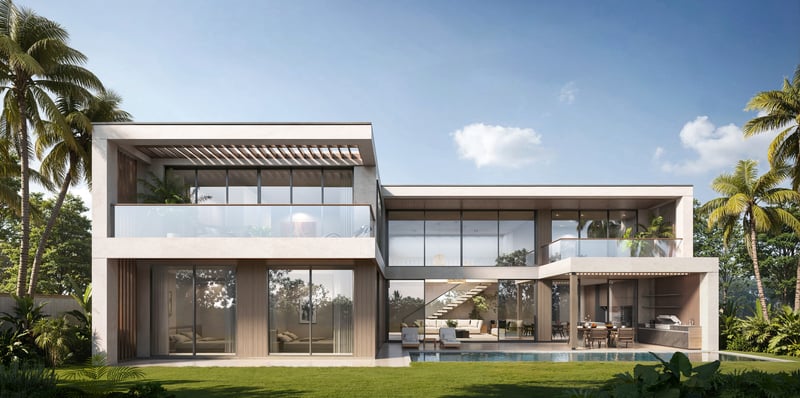
New villas in Thailand may be sold during construction or after completion. The price should clearly state whether it includes the plot or rights to it, the building, pool, furniture, equipment, utility connections, landscaping, and fees connected with the handover of the property.
When purchasing before completion, you should analyze the developer’s experience, project documentation, payment schedule, finishing specifications, and consequences of delays. It is also worth checking who will manage the estate after the development is completed and what fees will apply to the owner.
MAG World Properties focuses on the primary market and helps compare developer projects in terms of the purchase objective, documentation, and planned use. However, an independent legal assessment of a specific agreement should be carried out by a local lawyer acting in the buyer’s interests.
Resale Villas and Ready-to-Use Properties
A completed villa makes it possible to assess the actual view, noise levels, condition of installations, quality of finishes, and surroundings. The buyer can see the pool, garden, access roads, neighboring developments, and the actual standard of management instead of relying solely on visualizations.
Before the transaction, it is worth checking documents concerning title, construction permits, encumbrances, lease agreements, utility bills, repair history, and community or estate rules. For a villa with active rentals, it should be established which bookings, obligations, and income transfer to the new owner.
A technical inspection does not replace legal analysis. The condition of the building and the correctness of the purchase structure are two separate areas of review.
A Villa for Personal Use, Rentals, or a Combined Model
A villa purchased exclusively for personal stays may be chosen primarily based on location, privacy, and convenience. In this scenario, proximity to a beach, schools, restaurants, or a golf course may be more important than maximizing rental occupancy.
Renting out a villa in Thailand requires checking whether the project regulations and local rules permit the planned rental model. Income may depend on the season, promotion, number of similar properties available, operator fees, cleaning costs, and periods blocked for the owner’s use.
A combined model can be practical, but it requires a realistic calendar. The more dates an owner reserves during the most popular months, the lower the property’s availability for guests may be. Rules governing hotel operations and short-term rentals should be confirmed for the specific project and location.
Villa Ownership in Thailand: Legal Forms and Key Restrictions
Buying a villa in Thailand as a foreigner depends on what exactly the transaction includes: the building, the land, or the right to use the land. As a general rule, a foreigner does not acquire land under the same terms as a Thai citizen, which is why the transaction structure requires particular analysis.
One commonly used solution is a leasehold in Thailand, meaning a long-term lease. In simplified terms, the buyer obtains the right to use the land for a specified period, while matters concerning the building, assignment of rights, lease renewal, and fees must be set out in the transaction documents.
Not every legal structure is available or appropriate in every situation. Before paying a reservation fee, instruct an independent local lawyer to assess the documents, land status, agreement, and method of registering the rights.
Land, Building and Leasehold Rights: What a Buyer Should Understand
Land and the building may be treated as separate elements of the transaction. For example, a buyer may hold rights to the building while using the plot under a registered lease agreement. This is not the same as full ownership of the land.
Under the Thai Civil and Commercial Code, a lease of immovable property for more than three years must be registered to be enforceable against third parties. The law also specifies the maximum term of an individual lease, which is why any renewal provisions should be analyzed very carefully.
The documents should verify, among other things, the lease term, the possibility of transferring rights to a subsequent buyer, the parties’ obligations, payment terms, registry entries, and what happens when the agreement ends. A promise of future renewal does not automatically provide the same level of protection as a currently registered right.
Document Review and Transaction Security
Due diligence means a structured legal and practical review before signing an agreement. Its purpose is to reduce risk, not to create an appearance of security. The scope of the review should be tailored by an independent lawyer to the property and the transaction structure.
The basic checklist includes:
checking the land title document and any encumbrances;
confirming who is authorized to sell or grant the lease;
analyzing permits, construction documentation, and project compliance;
assessing the sale agreement, lease agreement, reservation agreement, and payment schedule;
verifying the developer, community fees, and management rules;
checking rental regulations and post-purchase costs.
Translating documents into a language the buyer understands and obtaining independent legal review are particularly important when the buyer is unfamiliar with the Thai legal system. Official information on the registration of property rights is published by the Department of Lands of the Kingdom of Thailand.
Villa Prices in Thailand and the Total Purchase Budget
Villa prices in Thailand do not have one universal level. Differences result from the region, distance from the beach, view, plot size, number of bedrooms, age of the building, quality of finishes, management model, and legal form of the transaction.
A sea-view villa in Phuket may be positioned entirely differently from a house of similar size in Hua Hin, Pattaya, or Chiang Mai. Therefore, the cost of buying a villa in Thailand should be considered as a full budget: the property price, contract costs, legal fees, furnishings, and subsequent maintenance.
Budget item
What to confirm before signing the agreement
Asking price
Scope of furnishings, construction stage, currency, payment schedule
Property rights
Whether the price concerns the building, land, leasehold, or a combination of these rights
Transaction costs
Taxes, registration fees, commissions, legal and banking costs
Annual costs
Management, utilities, insurance, pool, garden, repairs
Rentals
Operator fees, marketing, cleaning, bookings, and usage restrictions
For property investments in Thailand, it is worth keeping a reserve for unforeseen technical work and exchange-rate fluctuations. Exact prices, availability, fee allocation, and payment terms must be confirmed for the specific project before making a decision.
Transaction Costs, Taxes and Professional Fees
In addition to the property price, taxes and fees related to the transfer of rights, registration fees, lawyer fees, translations, bank transfers, and possible commissions should be taken into account. Which party bears a particular fee should be stated directly in the agreement.
Tax rules may depend on the type of transaction, the parties’ status, the length of property ownership, and current regulations. You should not assume that the cost structure of another project or province will be identical. Current tax information is published by the Thai Revenue Department.
Before making a reservation, ask for a written breakdown of all items: amounts, currencies, payment dates, the party responsible for payment, and the consequences of delay. Such a list makes it easier to compare offers that at first glance have a similar price.
Villa Maintenance and Rental Management Costs
The annual budget should include fees for estate or community management, electricity, water, internet, pool servicing, garden maintenance, air conditioning, insurance, and repairs. A private pool and a large plot usually require more active management than an apartment.
If the villa is to be rented out, there will also be costs for the operator, marketing, cleaning, guest services, and reporting. It is worth asking for an example scope of services and separately establishing which costs are fixed and which depend on the number of bookings.
How Buying a Villa in Thailand Works With Professional Support
A safe property purchase process in Thailand should be carried out in stages. A real estate advisor can help match the market and project to the client’s goal, but an independent lawyer and tax specialist should confirm the legal and tax matters relevant to the specific transaction.
Defining the goal and budget. We establish whether the priority is a second home, relocation, rentals, or a combined model, as well as what level of post-purchase costs is acceptable.
Choosing the region and project. We compare Phuket, Koh Samui, Pattaya, Hua Hin, Chiang Mai, or other locations in terms of lifestyle, accessibility, infrastructure, and the intended use plan.
Property analysis. We check what is included in the price, the standard, construction stage, management rules, rental options, and documentation provided by the developer.
Legal and tax verification. An independent local lawyer reviews the title, agreements, structure of rights to the building and land, encumbrances, and registration conditions.
Negotiations, reservation and agreement. Payment terms, deadlines, furnishings, the parties’ responsibilities, and refund rules should be clearly described in writing.
Payments, handover and management. After purchase, the handover, transfer of documents, technical servicing, and—if planned—the rental management model are arranged.
MAG World Properties helps clients select new properties in line with their investment goals or lifestyle, coordinating the process with local specialists. The agency’s services are paid for by developers, so the investor does not pay a MAG World Properties commission. This does not remove the need for independent legal verification of a specific offer.
When It Is Worth Booking a Consultation Before Buying
A property purchase consultation in Thailand is particularly helpful for a first overseas purchase, a rental plan, limited time for viewings, or a choice between Phuket, Koh Samui, Pattaya, and Chiang Mai. It makes it possible to match the buyer’s needs with the location, villa type, and usage model instead of starting with random listings.
Before the conversation, it is worth preparing an approximate budget, planned ownership horizon, preferred region, number of bedrooms, intended use, and willingness to purchase during construction. Information on whether the property is intended mainly for personal stays, rentals, or both purposes is also useful.
Good overseas real estate investment advice does not consist of identifying one “best” villa. It consists of excluding projects that do not fit the objective, budget, and acceptable level of risk, and then having the selected transaction reviewed by the appropriate specialists.
FAQ
Can a Foreigner Buy a Villa in Thailand?
A foreigner can acquire rights associated with a villa, but the purchase structure depends on the building, land, and any leasehold arrangement. As a general rule, a foreigner does not buy land under the same terms as a Thai citizen.
Where Is the Best Place to Buy a Villa in Thailand: Phuket, Koh Samui or Pattaya?
It depends on the objective. Phuket offers developed infrastructure, Koh Samui offers a more island-oriented lifestyle, and Pattaya provides easier access from Bangkok. It is worth comparing the location with your plans for personal stays and rentals.
What Additional Costs Should Be Considered When Buying a Villa in Thailand?
You should account for registration fees, taxes, legal services, translations, bank transfers, and subsequent maintenance costs. The exact allocation of fees depends on the agreement and transaction structure.
Can Renting Out a Villa in Thailand Cover Its Maintenance Costs?
It may cover them partly or in full, but this is not guaranteed. The result depends on the season, location, villa availability, operator costs, competition, and rental rules applicable to the project.
If you would like to compare specific new villas, purchase structures, and costs for your chosen region, Book a consultation.
Thank you for trusting MAG World Properties. Our expert will contact you to discuss your purchase goals, budget, and preferred destination — and suggest the next step.