Tell me what kind of apartment you`re looking for, and I`ll quickly find offers that meet your expectations for free, as well as advise you on which one is best to choose.
Properties for sale in Indonesia: how to safely invest in real estate
The Indonesian real estate market is growing at a rapid pace, while still being considered an emerging market and one of the most interesting in Southeast Asia. Locations such as Bali, previously treated mainly as holiday destinations, are increasingly attracting foreign capital thanks to rising tourism and continuously developing infrastructure. For foreign investors looking to buy property in Indonesia, this creates an opportunity to enter the market early and find real estate opportunities at still attractive prices.
At the same time, investing in Indonesia as a foreigner comes with certain restrictions. In practice, however, they are not a major obstacle - you simply need to understand what you want to buy and how to do it correctly. In this article, we focus on the key issues every investor should know when considering purchasing property in Indonesia.
Why buying real estate in Indonesia is a good investment?
Republic of Indonesia's economy is developing quickly and steadily, and the real estate market in Indonesia is following this trend. One of the main reasons to buy housing in this part of Southeast Asia is the combination of growing tourism, relatively affordable prices, and strong rental demand. Indonesia offers a wide range of investment opportunities, from apartments and villas to resort-style developments aimed at foreign buyers.
Stable demand for rental properties
Indonesia is one of the most visited countries in Asia, which ensures strong demand for short-term rentals. Importantly, the renter structure is diverse and not limited only to tourists. The country is also popular among digital nomads who stay for weeks or even months. Bali benefits the most from this trend. For investors, this means more stable and consistent rental income.
Attractive investment potential
A well-located and properly managed investment property in Indonesia can generate significantly higher returns than similar properties in popular European destinations. Profitability is driven by lower property prices, favorable rental-to-cost ratios, and year-round tourist activity thanks to the tropical climate. This combination of tourism growth, relatively low entry costs, and year-round rental activity makes Indonesian property market one of the more attractive real estate markets in Southeast Asia.
Real estate prices in Indonesia - relatively low entry threshold
Indonesia is still considered an emerging market despite its rapid development. Property purchases not only generate rental income but also offer capital appreciation over time. In addition to ready-built apartments and villas, off-plan investments (under construction) are popular. These are often cheaper, and their value can increase by 20–30% upon completion.
Real estate for sale in Indonesia - attractive locations
The Indonesian property market should be seen not as a single entity, but as a collection of micro-markets, each offering different opportunities.
Properties for sale in Bali
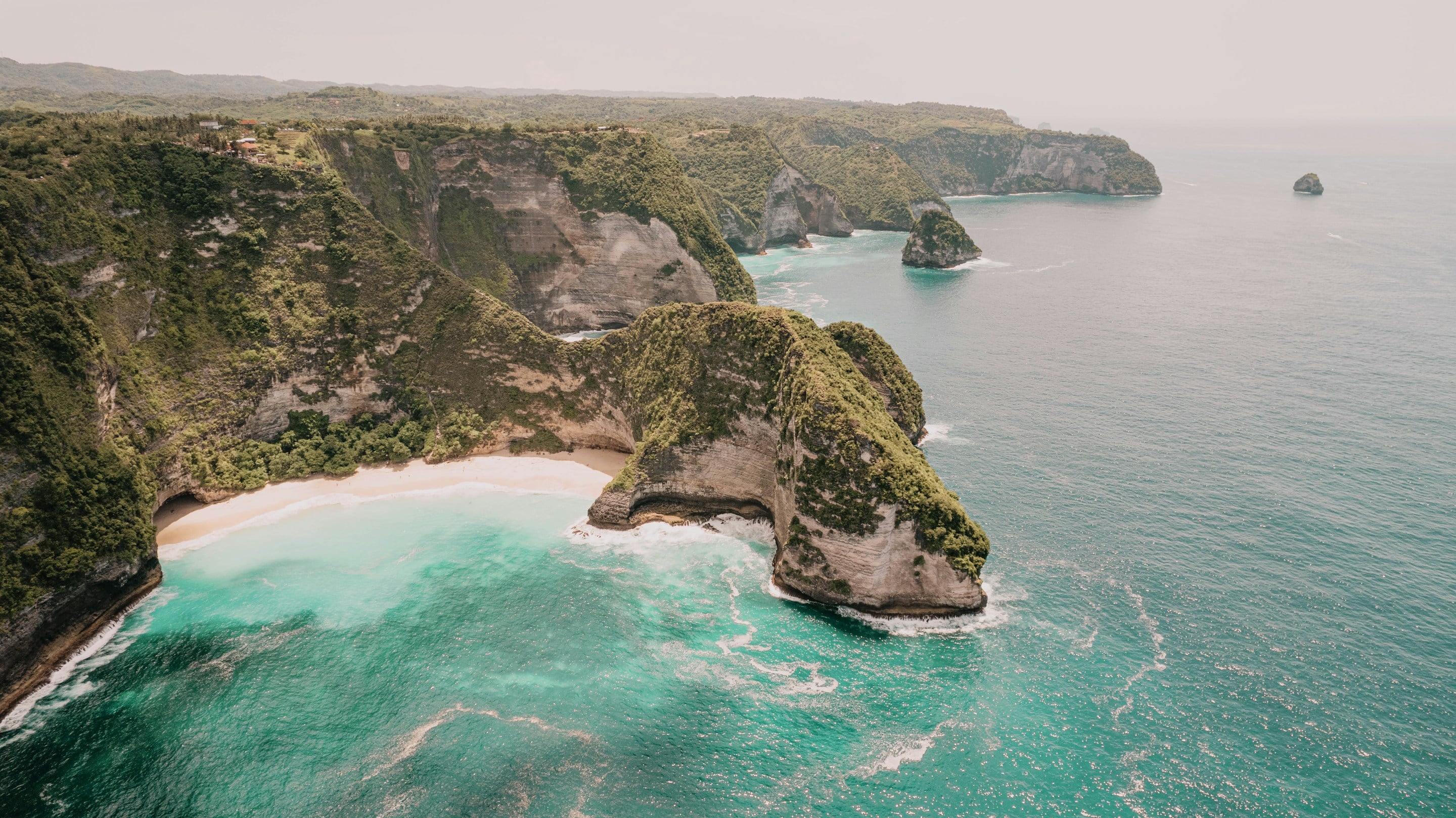
Bali is by far the most developed tourism market in Indonesia and the safest choice in terms of return on investment. The season lasts all year, and demand for property in Bali is strongly influenced by tourism and short-term rental trends. Properties are also built to a high standard. Luxury villas in Bali represent a significant segment of the island’s real estate market, particularly in premium areas such as Uluwatu and Canggu.
Many foreign investors interested in real estate in Bali focus primarily on short-term rental opportunities and tourism-driven locations with stable occupancy rates. For buyers planning to buy a villa or apartment, factors such as proximity to the beach, infrastructure quality, and local rental demand usually play a major role in the decision-making process.
The island of Bali offers a wide variety of micro-markets, each with different levels of demand, pricing, and tenant profiles. Key locations within Bali include Canggu, which is popular among digital nomads and short-term renters; Pererenan, a quieter and more residential alternative; Uluwatu, focused on premium developments and high-end coastal properties; and Ubud, which attracts long-term tenants and wellness-oriented residents.
Real estate trends - Lombok and the Gili Islands
Lombok is often referred to as the “new Bali” in investment terms. It offers a more peaceful atmosphere, less commercialisation, and relatively low property prices. Tourism infrastructure is developing quickly, while rental competition is still lower than in Bali.
The Gili Islands, located off Lombok’s coast, form a separate tourism micro-market focused mainly on short-term rentals. These three small islands are car-free and ideal for quiet holiday stays.
Jakarta - urban investment properties
Indonesia’s capital is an option for investors interested in metropolitan rental demand. The market mainly consists of luxury high-rise apartments, often with rooftop terraces. These are rented to expats, corporate executives working for international companies, and local professionals.
Yogyakarta - cultural and educational hub
Yogyakarta is the country’s most important academic center, generating strong and stable demand for student housing and long-term rentals. It is also a tourist destination due to its proximity to the famous Borobudur and Prambanan temples, making it a convenient base for visitors.
Property types in Indonesia
The Indonesian property market is strongly oriented toward tourism and rental income and offers a wide range of property types.
Properties for sale in Indonesia - villas
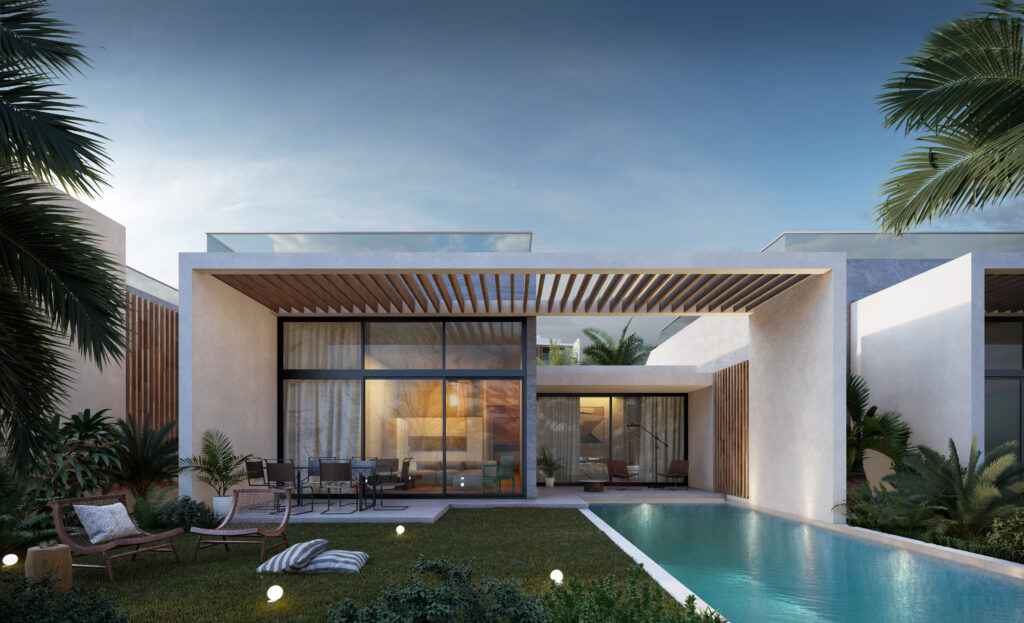
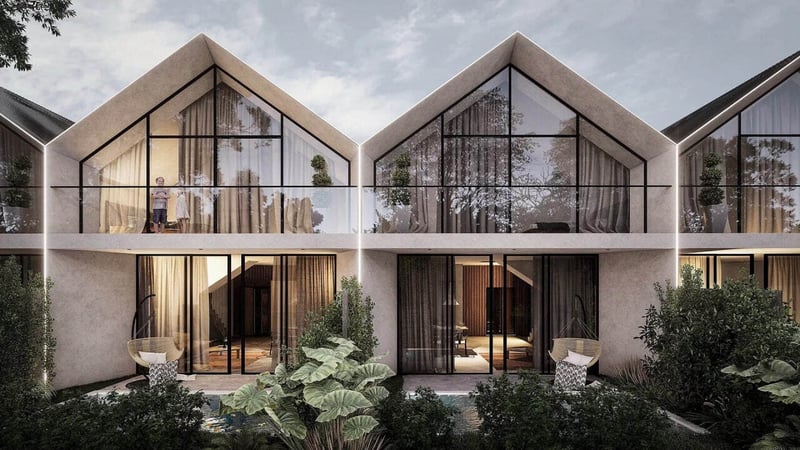
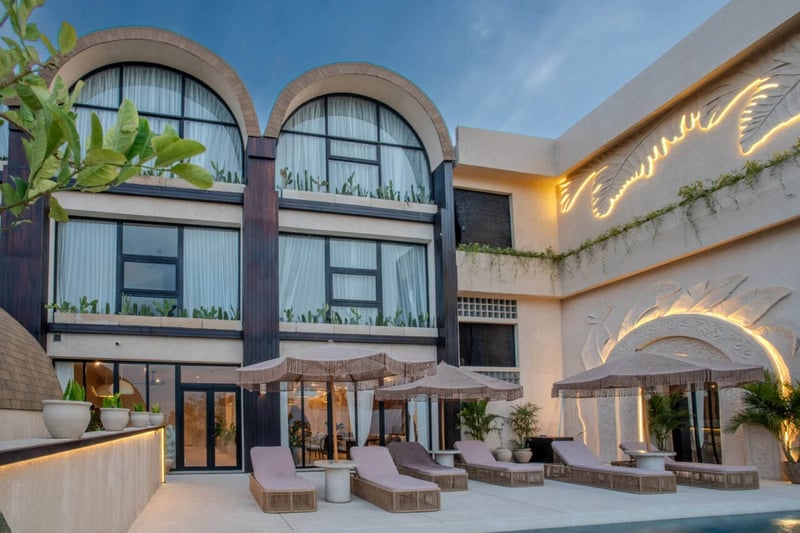
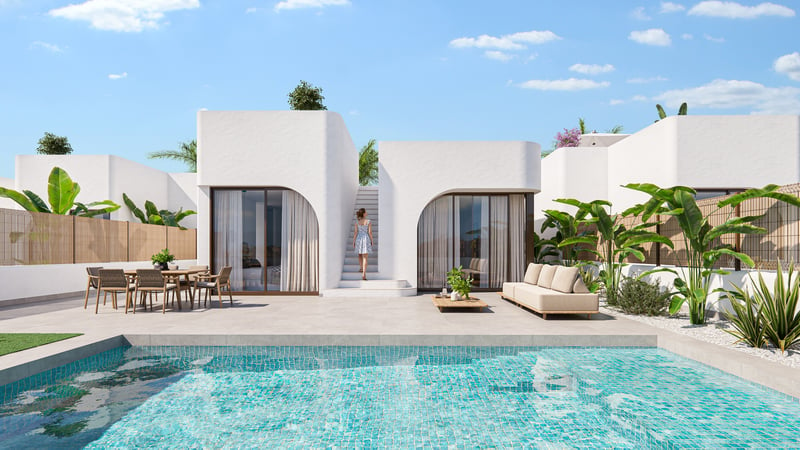
In locations such as Bali or Lombok, villas for sale dominate the market. These properties typically include multiple bedrooms, a swimming pool, a garden, and a high standard of finish. Luxury real estate is not a niche segment but a key part of the market, generating strong short-term rental income. Depending on the location and standard, villas may serve as holiday homes, investment properties, or private residences.
Townhouses and smaller residential homes are also available, although they are less common in tourist-oriented areas. This type of property is more popular in larger cities and residential districts, particularly among buyers who prefer to buy homes intended for long-term living rather than short-term rental use.
Residential type of property - apartments
Apartments are another common type of real estate and a good option for investors seeking a lower entry price. The most common types are standard residential apartments or units in serviced condominiums managed by operators who share rental profits with investors.
Commercial type of real estate
For investors interested in business activity, the Indonesia's property market also includes commercial real estate such as retail units, office spaces, restaurants, hotels, and hospitality-related properties. Some buyers choose to diversify their portfolios by combining residential and commercial property investments, particularly in high-traffic tourist destinations where demand is driven by tourism and service industries.
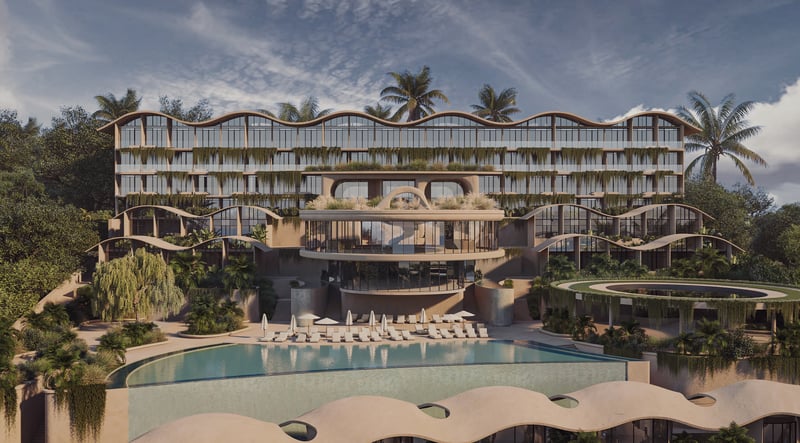
Recent real estate trends in Indonesia show growing demand for modern rental properties and integrated resort-style developments. Many new real estate projects are created specifically for foreign investors and are offered through local real estate developers and real estate agencies specialising in international buyers.
Buying Indonesian real estate as a foreigner
The sale of real estate to foreigners is subject to legal restrictions. Investment in Indonesia is not based on full ownership as in Europe, but on usage rights.
The legal framework available in Indonesia allows foreign investors to buy selected types of residential real estate through leasehold, a long-term lease agreement typically lasting 25–30 years, with the possibility of extension. This is the standard solution in popular tourist areas such as Bali, where most residential projects are structured specifically for international buyers.
Within the local real estate sector, transactions involving land for sale are significantly more restricted for foreigners than apartment or villa investments. For this reason, most international buyers focus on completed residential properties rather than land acquisition.
Holders of a valid residence visa may obtain usage rights, usually granted for 30 years and extendable. This allows legal use of the property, most often for residential purposes. Some investors also choose to operate through local companies, which provides greater flexibility and, in certain cases, access to a wider range of real estate available for sale across Indonesia.
Additional costs of buying property in Indonesia
Property prices in Indonesia are generally considered affordable compared to many other popular international investment destinations (the overall cost of housing in Indonesia remains relatively low), which makes the market particularly attractive for foreign investors seeking entry into emerging real estate opportunities. When making a real estate investment in Indonesia, investors should take into account several additional expenses beyond the purchase price.
The main cost is legal and notary fees, which cover contract preparation, due diligence, and verification of ownership or usage rights. There are also administrative and developer fees, especially in the case of off-plan properties. These may include reservation fees, contract handling costs, and various administrative charges related to the purchase process.
In addition, there are local taxes and fees, including annual property taxes and regional charges, which vary depending on the location and type of property. Overall, additional costs of a real estate investment in Indonesia typically range from around 5% to 15% of the property’s purchase price, depending on the property type, location, and transaction structure.
How does the buying process in Indonesia look like?
Cooperation with our real estate agency typically begins with analysing the investor’s needs and selecting suitable opportunities from our real estate catalog and property listings. At this stage, we help you buy property that matches your budget, expected return, preferred location, and investment strategy.
Each client works with a dedicated real estate agent familiar with the local market and the legal framework for foreign investors. We also cooperate with local real estate agencies and verified developers to provide access to carefully selected projects in the most attractive regions of the country.
Our team focuses on licensed real estate projects and legally verified real estate offers, helping clients avoid common risks associated with overseas property purchases. Whether the investor is searching for a holiday apartment, rental property, or best real estate opportunities in premium tourist destinations, the selection process is always tailored individually.
Next, the property is reserved, and real estate investment due diligence is carried out, including verification of ownership structure and legal status. The next step is signing a sales agreement or a contract with the developer (for off-plan projects). Finally, the usage rights are registered in accordance with local regulations.
FAQ
How long does it take to complete a real estate investment in Indonesia?
The timeline depends on the type of property. Ready units can be completed within a few weeks, while off-plan investments follow the construction schedule, which may take 12–24 months or longer.
Are there restrictions on short-term rentals in Indonesia property market?
Regulations vary by region and property type. In popular tourist areas, short-term rentals are widely allowed, but some zones may require specific permits or registration.
Do property prices in Indonesia vary significantly between regions?
Yes, prices can differ greatly depending on location, infrastructure, and tourism demand, with major differences between Bali, urban areas, and emerging regions like Lombok.
What are the main reasons to buy property in Bali?
The main reasons to buy property in Bali include strong year-round tourism, high demand for short-term rentals, relatively affordable entry prices compared to other global destinations, and the potential for attractive rental yields and long-term value growth.
Thank you for trusting MAG World Properties. Our expert will contact you to discuss your purchase goals, budget, and preferred destination — and suggest the next step.



.jpg)

.jpeg?width=800&name=6%20(1).jpeg)