Tell me what kind of apartment you`re looking for, and I`ll quickly find offers that meet your expectations for free, as well as advise you on which one is best to choose.
Villas in Indonesia – how to choose a location and buy property safely
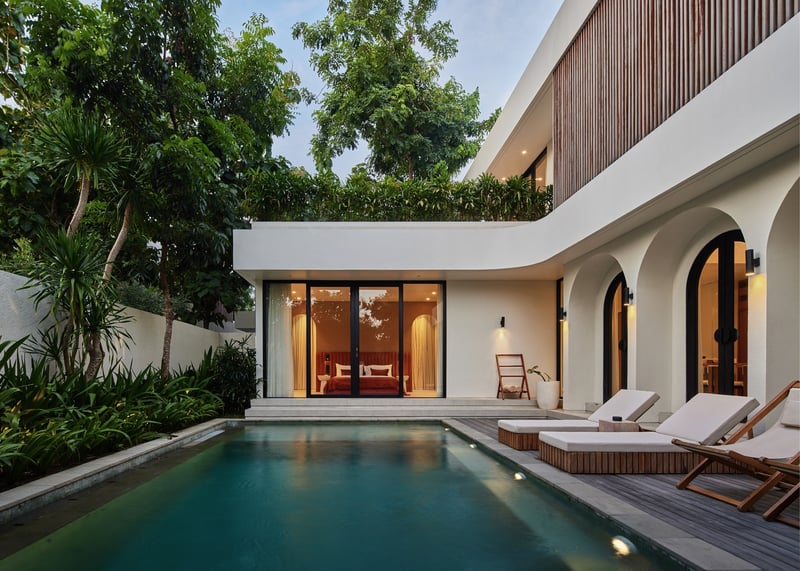
Villas in Indonesia may suit buyers looking for a second home, a holiday property, or an asset intended for rental. However, this is a market for people who first define their goal, budget, investment horizon, and acceptable level of risk, and only then choose an island and a project.
This guide is intended for Polish investors and private buyers considering the purchase of property in Indonesia, especially on the primary market. Bali, Lombok, and Java differ in lifestyle, tenant profiles, availability of services, and demand structure. The legal form of rights to the land and building is equally important.
The information provided is for educational purposes and does not replace individual legal, tax, or investment advice.
Villas in Indonesia – who is this market for?
Villas in Indonesia can be a good choice for people who consciously combine a lifestyle or rental goal with a willingness to conduct thorough legal and operational analysis. Real estate in Indonesia does not form a single, uniform market: luxury villas in Indonesia on Bali have a different character from houses in Java or Lombok.
A purchase is worth considering when the buyer has a clear plan for using the property, understands the rules of the local market, and does not expect automatic appreciation or a steady rental income. Investing in overseas property also requires consideration of currency risk, management costs, and the terms of the specific agreement.
A villa for personal use, rental, or investment?
A holiday home should primarily be selected based on the owner’s own stay patterns: convenient access, surroundings, privacy, and access to services. If the owner uses the villa for several months a year, they must realistically assess whether they want to rent it out for the remaining time and who will handle guest services.
A villa purchased mainly for short-term rentals should meet guests’ needs, rather than solely the owner’s aesthetic preferences. Location, standard, number of bedrooms, seasonality, marketing, and the efficiency of the operator managing bookings all matter.
For a purchase focused on long-term capital preservation, project quality, legal status, and the genuine appeal of the micro-location are more important than a quick resale. Liquidity when selling overseas property is not guaranteed.
What types of villas are available in Indonesia?
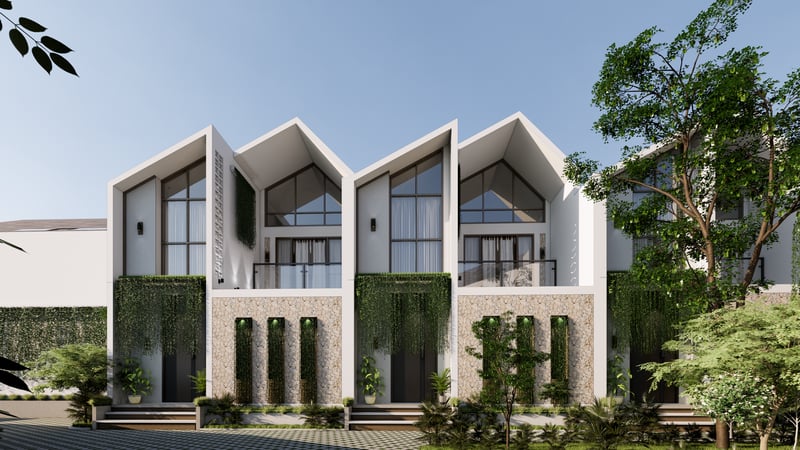
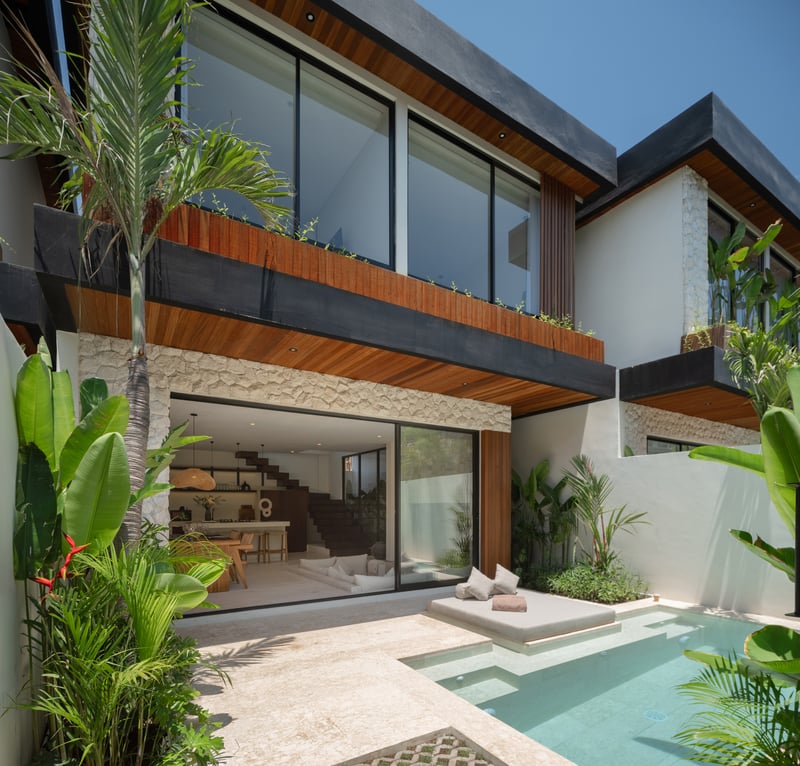
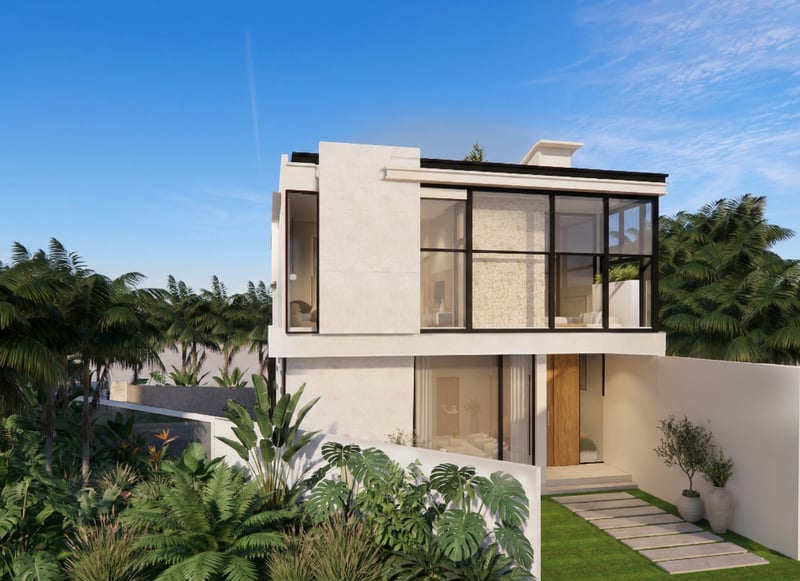
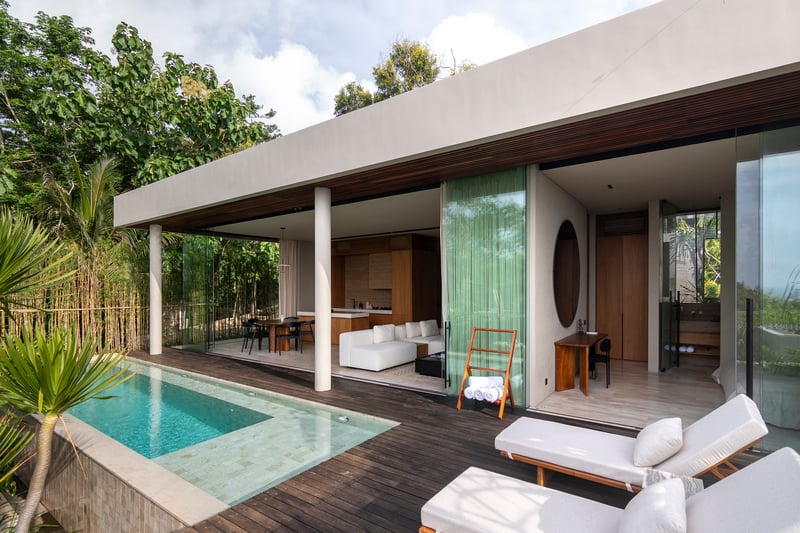
The most common options are standalone villas with pools, homes in managed complexes, off-plan development projects, and properties in urban and resort areas. Each option suits a different usage model.
A standalone villa offers greater privacy and freedom of design, but usually requires the owner to arrange security, maintenance, and rental operations independently. A managed complex may provide more convenient operational procedures, shared infrastructure, and administrative support, but the scope of services, fees, and rental rules should be checked carefully.
A development project may suit buyers who accept a construction schedule and staged payments. A house in a city, on the other hand, may be better suited to relocation stays or business tenants than to tourists.
Where to buy a villa in Indonesia?
The location of a villa in Indonesia affects the owner’s everyday life, guest profile, price, access to airports and services, and management options at the same time. Tourist popularity does not automatically mean that a particular area will be suitable for every purchase objective.
Indicative overview of locations:
Region
Market characteristics
Who it may suit
Bali
Tourism and lifestyle market, with significant variation between locations
Second-home owners and buyers considering holiday rentals
Lombok
A quieter, beach-oriented lifestyle and a different stage of infrastructure development
Buyers who are not looking for the busiest parts of Bali
Gili Islands
Small islands with a limited scale of services and logistics
People who accept the specifics of island living
Java
Urban, business, educational, and weekend markets
Buyers targeting local residents and business travelers
Borneo
A destination with a different economic and natural profile
Buyers looking for locations outside the main resort markets
Bali: Ubud, Badung, Gianyar, Nusa Dua, and Tabanan
Bali should not be treated as a single market. Ubud is associated with green surroundings and a more relaxed style of stay, while Badung attracts buyers with developed infrastructure and proximity to well-known resorts and services.
Gianyar combines access to culture, nature, and local island life. Nusa Dua, on the southern peninsula, has a more organized, resort-like character, while Tabanan may suit those looking for more space and a less intensive neighborhood.
Before selecting a specific plot or project, it is necessary to check road access, utility connections, the surroundings, planned nearby development, and local restrictions on land use.
Lombok and the Gili Islands: an alternative to Bali’s busiest areas
Villas in Lombok and properties on the Gili Islands are sometimes considered by people seeking a slower pace, a beach lifestyle, and less intense tourist traffic. However, this does not mean that every project will automatically be a better investment than villas in Bali.
In these locations, questions about transport, road quality, access to medical care, internet, deliveries, and technical service are particularly important. It is also necessary to assess who will manage the property in the owner’s absence and what data the forecast of tenant demand is based on.
Java and Indonesia’s cities: Jakarta, Yogyakarta, Bandung, and Surabaya
Java has a different profile from typically holiday-oriented islands. Jakarta is the country’s main business hub, so demand may be connected to work, relocation, and business stays. In this case, a villa may compete with apartments and other types of urban accommodation.
Yogyakarta has cultural and educational importance, Bandung is a well-known destination for short trips, and Surabaya is one of the country’s key economic centers. The decision should be based on the type of target guest: a holiday tourist, family, relocated employee, or business guest will have different expectations of the location and property.
Ownership structures and rules for foreigners buying villas
Buying a villa in Indonesia as a foreigner requires an analysis of the type of land right, building status, plot designation, and the structure of the entire transaction. The legal status should always be confirmed before signing an agreement, as regulations and their practical application may change.
In simplified terms, Hak Milik is a land ownership right intended primarily for Indonesian citizens. A foreigner should not assume that they can acquire it directly in their own name.
In practice, other legally permitted structures are considered, such as Hak Pakai, meaning the right of use, and Hak Sewa, meaning a contractual leasehold or rental right for a specified period. Hak Pakai may grant the right to use property within the limits set out by regulations and documents, but it is not the same as full ownership. Hak Sewa is based primarily on the agreement and its term, which makes extension rules, settlements, and buyer protection crucial.
What should be checked before signing an agreement?
Independent due diligence, meaning a detailed legal and practical review before purchase, should include at least:
Legal title to the land - who is entitled to it, what right is the subject of the transaction, and whether the documentation is consistent.
Term of the right - particularly in the case of Hak Pakai or Hak Sewa, together with the terms of any possible extension.
Permits and construction compliance - whether the building and pool were constructed in accordance with the required approvals.
Land designation - whether the intended use, including rental activity, complies with the rules applicable to the plot.
Road access and utilities - the lack of formal or practical access may reduce the property’s usability.
Encumbrances and disputes - mortgages, claims, restrictions, or arrears should be identified before payment.
The developer agreement - schedule, finishing standard, consequences of delays, handover rules, and refund terms.
Rental management - fee levels, reporting, commissions, marketing, and the owner’s right to use the villa.
Documents should be assessed by an independent local lawyer acting for the buyer, not solely by the seller’s or developer’s representative.
What does the purchase process look like step by step?
Defining the objective and budget - it is necessary to decide whether the priority is a second home, rental income, relocation, or portfolio diversification.
Selecting an island and micro-location - access, surroundings, services, and the profile of the potential user are compared.
Reviewing the project or offer - this covers property specifications, standard, management model, and the legal structure.
Initial reservation - its terms should clearly specify the amount, deadlines, withdrawal option, and next steps.
Document verification - a lawyer checks the land, permits, parties to the agreement, and the risks identified during due diligence.
Negotiating agreements and payments - the schedule, scope of furnishings, handover, and the parties’ responsibilities are agreed.
Completion and handover - once the transaction conditions have been met, the property is handed over and management arrangements are organized.
Timelines and documentation depend on the legal structure and on whether the villa is completed or still under construction. At MAG World Properties, we help coordinate project selection and contact with local experts, but legal and tax decisions should be confirmed by the appropriate specialists.
How much does a villa in Indonesia cost and what are the purchase costs?
Villa prices in Indonesia depend primarily on the island, exact location, land area, standard, legal status, and stage of project completion. Luxury villas in Bali in developed parts of Badung or sought-after locations may have a different price structure from properties in Ubud or Lombok.
The asking price is not the full cost of buying property in Indonesia. Before making a decision, the cost of the villa itself, transaction fees, furnishings, and future operating expenses need to be separated. Property prices in Indonesia, taxes, and fees should be confirmed for the specific transaction.
Asking price versus the total investment budget
Item
What to determine before purchase
Property price
Whether it includes the land, building, pool, furniture, and equipment
Legal services
The scope of work of the independent lawyer and any translation costs
Taxes and transaction fees
Who bears them and when they are payable
Registration and documents
Costs of preparation, certification, and local formalities
Finishing
Whether the developer’s standard includes appliances, air conditioning, garden landscaping, and fitted kitchen units
Post-purchase reserve
Funds for setting up the property, repairs, and the first months of maintenance
The amount of these items depends on the type of right, the agreement, location, and purchasing model. The buyer should receive a written breakdown of what is included in the seller’s or developer’s price and what requires separate financing.
Villa maintenance and rental costs
Villa maintenance usually includes utilities, internet, security, staff, pool and garden maintenance, cleaning, insurance, and ongoing repairs. For rentals, operator commissions, marketing, booking management, and preparing the home for subsequent guests must also be added.
Before signing an agreement with a property manager, it is worth asking: who sets nightly rates, how revenue and costs are reported, what commissions are charged, and whether the owner can use the property on selected dates. Revenue projections should account for seasonality, periods without bookings, and all operating costs, not just assumed occupancy.
How can you reduce risk when buying property in Indonesia?
A safe overseas property purchase begins with analysis, not a quick reservation. The most common risks include unclear land status, unverified permits, overly optimistic rental projections, a mismatch between the villa and the intended purpose, and a lack of a management plan after handover.
Investing in villas in Indonesia also requires checking the developer: its track record, project documentation, financing method, and the quality of information provided. Developer verification does not eliminate all risk, but it helps buyers make decisions based on documents rather than a sales presentation alone.
It is worth comparing several property types and locations according to the same criteria: land rights, total budget, method of use, rental conditions, and maintenance costs.
Advisor support: from project selection to property handover
Professional support may include clarifying the purchase objective, selecting locations and projects, compiling questions for the developer, comparing costs, and coordinating contact with local lawyers. After purchase, preparation for handover and establishing a villa rental management model are equally important.
MAG World Properties works with primary-market offers from selected developers, and the agency’s services are paid for by developers, so the investor does not pay a commission. Before the first conversation, it is worth preparing an indicative budget, purchase objective, preferred timeline, acceptable level of involvement in rentals, and locations under consideration.
Frequently asked questions
Can a foreigner buy a villa in Indonesia?
Yes, a foreigner can use property through structures permitted by law, but these should not automatically be equated with full land ownership. The form of the transaction must be assessed by an independent local lawyer.
Is it better to buy a villa in Bali or Lombok?
It depends on the objective. Bali may offer more developed infrastructure and a broader tourism market, while Lombok has a quieter character. The specific micro-location, demand, and management options should be compared.
What documents should be checked before buying a villa in Indonesia?
You should check the legal title to the land, the term of the right, construction permits, land designation, road access, encumbrances, and the agreement with the developer or seller.
Buying a villa in Indonesia can make sense when the location, property type, and legal structure are matched to the buyer’s specific objective. Before transferring funds, it is worth conducting independent due diligence, confirming the full budget, and establishing the rules for future use and management.
Thank you for trusting MAG World Properties. Our expert will contact you to discuss your purchase goals, budget, and preferred destination — and suggest the next step.