Tell me what kind of apartment you`re looking for, and I`ll quickly find offers that meet your expectations for free, as well as advise you on which one is best to choose.
Properties for sale in Croatia – how to find and buy the perfect Croatian real estate
Buying property in Croatia has become an attractive option for those seeking an alternative to crowded resorts in Spain or Greece. Croatia attracts people who value the Mediterranean climate but prefer more intimate, less touristy locations. Croatia has a unique and diverse coastline, dotted with coves and cliffs, which offers the chance to find a peaceful spot away from large resort complexes. The Adriatic is also easily accessible by car from many parts of Europe, making it convenient for both property visits and personal use.
Why invest in Croatian real estate?
The real estate market in Croatia is considered one of the more stable property markets in this part of Europe, and investing here is a safe and promising opportunity. The new currency (euro) has simplified all transactions, making the real estates for sale in Croatia more accessible for international buyers.
One major advantage of purchasing real estate in Croatia is its accessibility by land from much of Central Europe. Owning a property in a country that can be reached without flying provides many investors with a greater sense of control and security.
Although the tourist season in Republic of Croatia is shorter than in Spain or Greece, visitor numbers remain high and consistent. The country is a renowned destination for sailing enthusiasts, with its scenic coastline and numerous islands attracting sailors and water sports lovers. Properties located near marinas often yield higher rental returns.
Strict regulations protect coastal areas from overdevelopment, meaning properties directly on the sea remain limited in supply. This scarcity supports the long-term appreciation of property values.
Investing in Croatia real estate - what property to buy
Holiday apartments for rent
Even small apartments in prime locations are relatively easy to rent and simple to manage. Their appeal increases if they feature a terrace or balcony with a sea view. In major tourist towns and near marinas, investing in higher-standard apartments is advantageous. Penthouses with large terraces, panoramic views, and additional amenities like parking or a pool attract clients willing to pay for premium conditions.
Houses and villas in Croatia
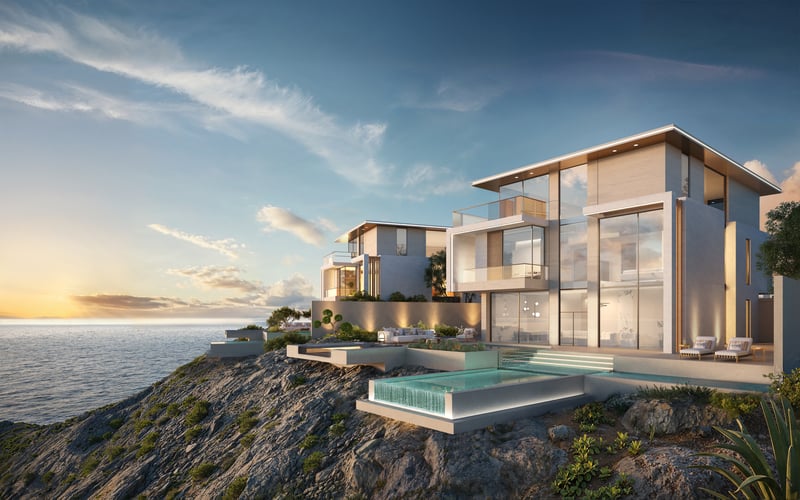
Due to strict coastal building regulations, the supply of houses and villas near the sea is limited. Investing in such properties, while more costly, is highly profitable - property values steadily increase, and the market caters to affluent clients seeking prestigious vacation homes.
Inland properties for sale in Croatia
Travelers with smaller budgets often choose homes or apartments set back from the coast. Locations within 15–20 minutes of the beach can offer lower prices while still providing convenient access to the sea, including easy access to the Croatian islands and coast.
Inland areas offer a wide range of real estate options - from traditional houses to more affordable land in Croatia suitable for development. Inland properties often enjoy a quieter environment and a higher supply, making them easier to acquire, especially compared to premium options such as villas in Dubrovnik or other parts of the Dalmatian coast.
Costs of buying property in Croatia
Property prices in Croatia vary significantly depending on the region, proximity to the coast, and property standards.
The highest prices are found in coastal areas, particularly around Dubrovnik and Istria, popular among investors from Western Europe. Properties in historic city centres like Split, Dubrovnik, and Zadar also command premium prices. If you dream of luxury villa in Croatia consider the coast and islands first.
For more affordable options of property purchase, the Makarska Riviera or smaller towns in central Dalmatia can be considered. Islands can also offer reasonable prices, although the most popular ones, such as the island of Krk or Hvar, tend to be more expensive. Inland areas, including the so-called “Croatian Tuscany” of central Istria or the Konavle region with rivers and vineyards, provide attractive options for buyers seeking value.
Buying real estate in Croatia - additional costs
Compared to other Mediterranean countries, additional costs in Croatia are moderate, typically ranging from a few to around ten percent of the property value. The main expenses include:
Property transfer tax in Croatia is 3 % – standard for secondary market purchases; often included in developer prices.
Registration fees and entry into the land registry
Administrative fees and translation costs
Property maintenance costs, including utilities, insurance, and annual property tax in Croatia
Buying property in Croatia as a foreigner - how we help you find your perfect property
It typically takes from a few weeks up to a few months to buy property in Croatia as foreigner. After selecting a property and verifying its legal status (land registry, ownership, encumbrances, building documentation), a preliminary contract is signed and a deposit is often paid. The buyer must also obtain a Croatian tax identification number (OIB). The final purchase agreement is signed in the presence of a notary.
EU citizens can purchase property under the same conditions as Croatian citizens, while non-EU buyers may face additional administrative requirements. Our team of experienced real estate professionals assists clients at every stage of the process, ensuring a smooth and secure transaction. Our goal is to help you find your dream property in Croatia with confidence and ease.
Residency
Owning property in Croatia does not automatically grant residency. It can, however, facilitate the application process for obtaining a residence permit.
Whether you plan to buy or sell real estate, including commercial property, it is important to note that ownership alone is not a sufficient legal basis for residency. As part of the international real estate market, applications are assessed individually and require meeting specific legal and financial criteria.
FAQ
Can I buy a property in Croatia remotely?
Yes, many formalities can be completed through a proxy without being physically present.
Does buying luxury real estate grant residency?
No, property ownership alone does not provide automatic residency, though it may help in the permit application process.
Can I rent my house in Croatia to tourists?
Yes, but this requires obtaining the necessary permits and complying with local regulations, including business registration and taxation.
Is investment in Croatian real estate market a good choice for retirement?
Yes. The climate, coastal access, and quality healthcare make Croatia a comfortable place for retirement, while property values remain stable.
Thank you for trusting MAG World Properties. Our expert will contact you to discuss your purchase goals, budget, and preferred destination — and suggest the next step.



.jpg?width=800&name=5%20copy%20(1).jpg)