Tell me what kind of apartment you`re looking for, and I`ll quickly find offers that meet your expectations for free, as well as advise you on which one is best to choose.
Tbilisi, Georgia: a guide to the city and buying property
Tbilisi, Georgia may be an interesting destination for buyers seeking a home to live in, a second home, or a rental property, but it is not a universal answer to every investment objective. This guide is intended for Polish buyers and investors who want to understand the character of the city, the purchasing process, and the areas requiring particular scrutiny.
The legal, tax, and residency information in this article is current as of September 30, 2026, and is provided for informational purposes. Before entering into a transaction, current conditions should be confirmed with an independent lawyer, tax adviser, and the relevant Georgian institutions.
Tbilisi, Georgia – who is this city for when it comes to living and investing?
Tbilisi is the capital of Georgia and its largest administrative, business, and cultural hub, which may suit buyers looking for an urban lifestyle, a second home, or a rental property. However, whether a purchase makes sense depends primarily on the objective, budget, intended ownership period, and willingness to manage the risks of an overseas transaction.
For someone planning to live in Tbilisi, everyday infrastructure, access to services, transportation, and the standard of the building will be important. An investor interested in renting should assess demand in the specific micro-location, competition from similar apartments, management costs, and a realistic scenario for using the property outside the high season.
Investing in property in Georgia requires separating the appeal of the city from the profitability of a specific offer. A property in a popular part of the capital does not automatically become a good investment if the documentation, construction quality, or rental model does not match the buyer’s assumptions.
Location, climate, and the capital’s daily rhythm
Tbilisi is situated on the Kura River, in an area with clear variations in elevation and street gradients. This affects everyday mobility: an address close to the center on a map does not always mean an easy walk, convenient parking, or a quick commute to work.
Summers can be hot, while winters are cooler than in Georgia’s coastal regions. During viewings, it is worth checking sunlight exposure, thermal insulation, air conditioning, heating, and water availability. Seasonality also matters for rentals and for planning a visit that includes apartment viewings.
What objectives can buying an apartment in Tbilisi serve?
An apartment for permanent residence requires an analysis of how functional the neighborhood is, not just the view or a prestigious address. A second home may work better in a location where the owner has convenient access, nearby services, and a building that is easy to maintain during periods of absence.
A property intended for long-term rental should meet the needs of employees, families, or students, depending on the area. An apartment aimed at short-term rentals, in turn, requires an assessment of tourist traffic, building rules, service costs, and competition. None of these models guarantees income.
What is worth seeing, and what is it like to live in Tbilisi?
Tbilisi combines historic buildings with new architecture, restaurants, museums, and riverside spaces. For a buyer, the city’s lifestyle matters because the surroundings of the property affect everyday comfort, the profile of potential tenants, and the way the real estate is used.
Tbilisi’s attractions are concentrated both in historic parts of the city and along major walking routes. Tbilisi’s cultural scene includes theaters, galleries, music events, and local dining culture. Tbilisi’s cuisine and restaurants can be an advantage for owners of properties in central parts of the city, but increased pedestrian traffic may also mean noise and parking restrictions.
Before buying, it is worth spending time in the selected area in the morning, in the evening, and at the weekend. Only then can you assess whether the address’s claimed “central character” meets your own expectations.
Old Town, Abanotubani, and panoramas over the Kura River
The Old Town attracts visitors with narrow streets, balcony-lined architecture, and proximity to the most important tourist spots. Abanotubani, known for its sulfur baths, Narikala Fortress, and the Metekhi Church form a recognizable historic image of the city.
Nearby are walking routes along the Kura River and the Botanical Garden, which offers a quieter alternative to the busy streets of the center. Such surroundings may increase interest from short-term tenants, but they do not replace an assessment of the building’s condition, vehicle access, or rules for using the property.
Museums, theater, cuisine, and the city’s modern spaces
Buyers interested in urban life may want to consider areas near museums, theaters, cafés, and restaurants serving Georgian cuisine. The Bridge of Peace is one of the symbols of contemporary Tbilisi architecture and connects walking areas on both sides of the river.
Proximity to attractions can be convenient, but it is worth checking traffic levels in the evening, during tourist season, and during city events. A viewing at only one time of day is not enough. The owner should also assess the quality of the windows, sound insulation, parking availability, and the actual route to the nearest shops and transportation.
Tbilisi neighborhoods and property purchase objectives
Tbilisi’s neighborhoods differ in character, development, and access to services. The city center and historic areas are more often considered by people seeking an urban lifestyle and properties for tourists. Business districts may suit tenants working in offices, while quieter residential areas can be more practical for families and people planning relocation.
There is no single best location for an apartment in Tbilisi. An apartment in central Tbilisi may suit a short-term rental strategy, but not necessarily a buyer who expects peace and quiet, plenty of greenery, and convenient parking.
Location type
Typical use
Potential user
What to check
City center and Old Town
Second home, short stays, tourist rentals
Tourists, people who value urban life
Noise, vehicle access, condition of the historic building, building restrictions
Business areas
Long-term rental, apartment for professionals
Company employees, expats
Commute, shops, quality of common areas, parking spaces
A person buying a property for themselves should begin with their own lifestyle. Actual commuting time to work, access to schools, healthcare facilities, shops, and green spaces should be checked. In Tbilisi, it is also worth assessing street gradients, sidewalk quality, and parking possibilities.
A family may need different conditions than a remote worker or someone buying a small apartment for part of the year. During a visit, it is a good idea to walk the route from the building to the nearest shop, stop, and parking area. It is also worth asking the building management about elevators, interruptions to utility services, and monthly operating fees.
Locations considered for rentals and second homes
For rentals, not only the popularity of the neighborhood matters, but also the specific street and the standard of the building. Proximity to attractions, transportation, restaurants, and walking areas may support interest in a property, but demand can be seasonal, and similar apartments compete on price, furnishings, and guest reviews.
A second home should be easy to manage when the owner is absent. Before buying, it is worth establishing who will handle the keys, minor repairs, utility bills, and any rentals. Tourist popularity does not guarantee steady occupancy or a specific income.
What types of property can you buy in Tbilisi?
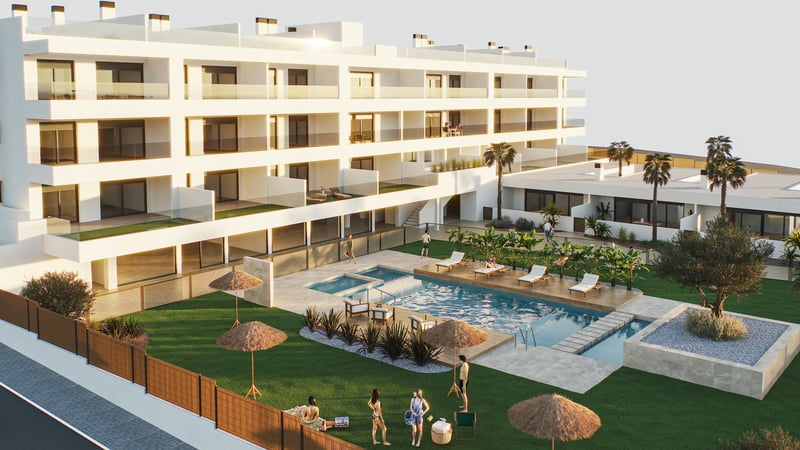
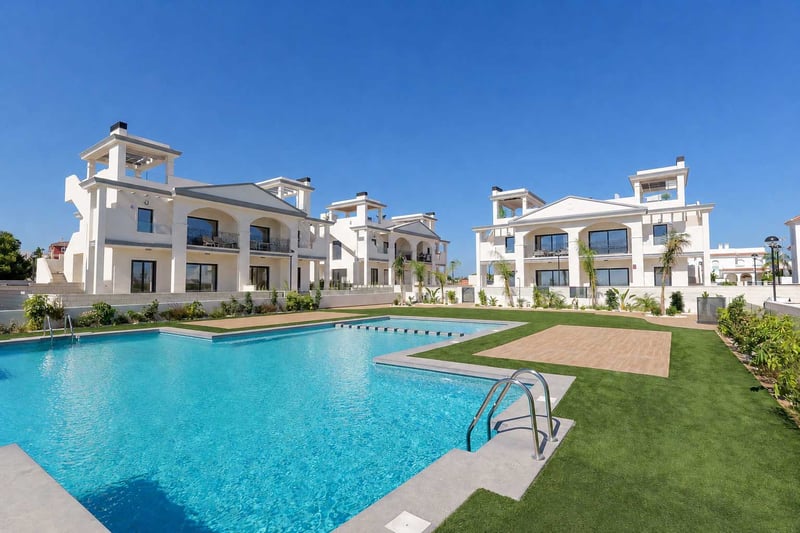
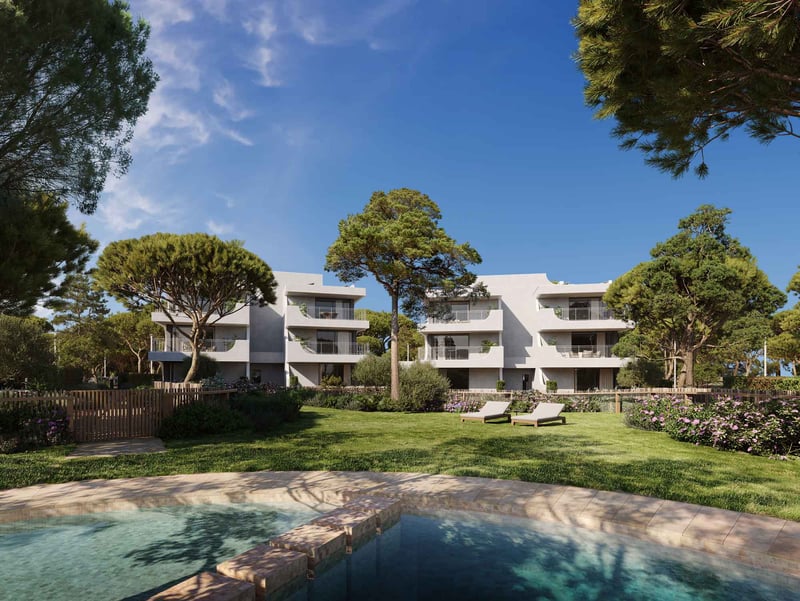
The market offers apartments in older buildings, Tbilisi apartments in new developments, renovated properties, real estate requiring modernization, and apartments purchased off-plan. Each category involves a different scope of checks and future costs.
The primary market means purchasing from a developer, usually in a new project or one under construction. The secondary market includes properties that have already had an owner. The condition stated in a listing is not a verified condition: the buyer should separately check the documentation, quality of workmanship, installations, common areas, and building management costs.
Apartments for sale in Tbilisi may be offered to different standards: from units requiring full finishing work to furnished properties. It is necessary to establish precisely what the price includes, what equipment remains in the apartment, and whether the elements visible during the viewing belong to the seller.
Primary market: what should be checked before signing a contract?
When purchasing in a new Tbilisi development, you should verify the developer, land status, documents concerning the implementation of the project, and whether the contract aligns with the presented schedule. It is worth checking the handover standard of the property, the possibility of changes to the project, payment terms, and the consequences of delays.
Fees for maintaining common areas, the rules governing the property manager, and the conditions for future rentals are also important. The documents should be assessed by an independent local lawyer. MAG World Properties works exclusively with the primary market and, when selecting offers, takes into account the developer’s track record, project documentation, and post-purchase management model.
What does buying property in Georgia look like step by step?
Buying an apartment in Tbilisi as a foreigner requires an organized process: from defining the objective, through document analysis, to registering ownership rights. In Georgia, the key institution for registering property rights is the National Agency of Public Registry, or NAPR, which operates within the Ministry of Justice.
Defining the objective and budget. It is necessary to determine whether the property is intended for living, renting, as a second home, or for portfolio diversification. The budget should include not only the purchase price, but also legal assistance, finishing work, and a financial reserve.
Selecting offers and conducting viewings. It is worth comparing the location, standard, management model, and project documentation. When purchasing remotely, independent viewings and clear documentation become particularly important.
Due diligence. This is an independent legal and practical review before the transaction. It includes, among other things, checking the owner, legal title, encumbrances, and whether the property matches the documentation.
Negotiations and the purchase contract. The contract should clearly identify the parties, subject of the sale, price, deadlines, payment terms, and consequences of failing to meet obligations. If the buyer does not speak the language of the documents, reliable translation is needed.
Payment, registration, and handover. Once the contractual conditions have been met, it is necessary to ensure payment confirmation, registration of the right with NAPR, and a handover report for the apartment.
Verifying ownership rights and property documents
Before paying a deposit, you should confirm who is registered as the owner, on what basis they hold rights to the property, and whether there are any encumbrances that could affect the transaction. Georgia’s property register is maintained by NAPR, and registry information should be analyzed together with contractual documents and the actual condition of the property.
A lawyer should also assess the authority of the person signing the contract, particularly when they act under a power of attorney or on behalf of a company. In the case of a purchase from a developer, it is necessary to review project documents, the land, and the terms of sale. This is not a formality that should be replaced by an oral assurance from an agent or seller.
Contract, payment, registration, and property handover
The purchase contract should specify the full price, currency, deadlines, method of handing over the property, and documents required for registration. Payment should be made in a manner that leaves clear confirmation of the transfer and complies with banking requirements and anti-money-laundering rules.
After the documents are signed, ownership rights are registered with the National Agency of Public Registry. It is worth conducting the property handover based on a report, photographs, and a list of defects. The contract, proof of payment, registration documents, technical manuals, and fee settlements should be retained—they will be needed for rental management or a future sale.
Costs, taxes, and residence in Georgia – what should be included in the calculation?
The price of an apartment in Tbilisi is only the first item in the budget. The buyer should calculate one-off costs, maintenance costs, and expenses that depend on how the property is used, such as short-term rentals.
One-off costs may include registration fees, translations, legal assistance, finishing work, and furnishings. Recurring costs include utilities, building management, technical servicing, insurance, and rental management. Property taxes in Georgia, rental income, and a potential sale may be subject to different rules depending on the taxpayer’s circumstances and the type of transaction.
Buying property and residing in Georgia after purchasing an apartment are separate matters. Ownership of a property should not be treated as automatic confirmation of residency rights. Visa and residence conditions should always be checked in official immigration sources before making a decision.
Purchase budget: one-off costs and maintenance costs
A practical calculation should include:
the price of the property and payment terms;
formal and registration fees;
translations and independent legal assistance;
finishing work, furniture, and appliances;
technical inspection costs;
management fees, utilities, and insurance;
a reserve fund for repairs and periods without rental income;
the property manager’s fee if the property is to be rented out.
Tax rates, fees, and administrative requirements must be confirmed before signing a contract. The Georgian Revenue Service publishes current tax information, but an individual settlement requires an assessment of the buyer’s situation.
Risks of buying in Tbilisi and how to mitigate them
A safe property purchase in Georgia does not mean ignoring risks, but identifying them early. The most common issues concern documentation, technical condition, language differences, construction delays, currency volatility, and overly optimistic rental projections.
Incomplete documentation can be mitigated by an independent legal review. Technical risk is reduced through inspections with an inspector and a handover report. If the property is intended to generate income, a conservative rental plan should be prepared, taking into account periods without a tenant, management costs, and competition.
Regulatory changes are a separate risk when buying abroad. Tax, residency, construction, or property-use regulations may change. Before signing a contract, as well as before changing the planned use of an apartment, current requirements should be confirmed again through official sources and with a local specialist.
Checklist before paying a deposit
Before transferring money, the buyer should confirm:
the seller’s or developer’s details and authority;
entries and encumbrances in the registry documentation;
that the property, floor area, and project status match the documents;
the technical condition of the apartment and building;
the full terms of the contract, including deadlines, payments, and refunds;
all purchase, maintenance, and management costs;
a realistic rental plan without assuming full occupancy;
a secure, documented payment method;
current tax, registration, and residency rules.
Such a checklist does not replace a lawyer or inspector, but it helps the buyer ask the right questions and avoid making a decision based solely on sales materials.
How does MAG World Properties support property purchases in Tbilisi?
MAG World Properties helps buyers clarify their purchase objective, compare locations and selected primary-market offers, and prepare an initial cost analysis. We support the coordination of document verification with local lawyers and explain the subsequent stages of the transaction.
Before the first conversation, it is worth preparing an approximate budget, purchase objective, preferred timing, desired location, property type, and financing method. MAG World Properties’ services are paid for by developers, so the investor does not pay an agency commission. The exact terms of an offer, availability, and costs require confirmation for a specific project.
Frequently asked questions
Can a foreigner buy an apartment in Tbilisi?
Yes, as a rule, a foreigner can acquire an apartment in Tbilisi, but the type of property and current legal restrictions should be verified before the transaction. Matters relating to land and the correct registration of ownership rights with the National Agency of Public Registry require particular scrutiny.
Does buying property in Georgia grant the right to reside there?
You should not assume that buying an apartment alone automatically grants the right to reside in Georgia. Visa and residence rules are regulated separately, may change, and should be checked in current immigration sources before purchasing.
Which Tbilisi neighborhood should you choose for living, and which for rentals?
For living, it is worth choosing a neighborhood based on everyday infrastructure and commuting, while for rentals, the choice should be based on the tenant profile and actual demand. The center may suit tourism, but families often need a quieter environment, services, and parking.
Tbilisi can be a sensible purchase destination if the selected location, property type, and budget match the buyer’s specific objective. The safest next step is to analyze several comparable projects together with their documentation, full costs, and a plan for using the property. Book a consultation.
Thank you for trusting MAG World Properties. Our expert will contact you to discuss your purchase goals, budget, and preferred destination — and suggest the next step.