



5 Reasons to Buy Property Abroad
Diversification of your investment portfolio
Smart diversification of overseas real estate investments — between the Middle East with its clearly positive market dynamics, stable European countries, and promising Asian resort locations — protects investors from local crises, inflationary pressure, and currency fluctuations. Elite real estate becomes a tool for preserving and growing capital.
Residency and second citizenship
Investing in luxury overseas developments is worth considering as a legal and highly convenient way to diversify not only your capital but also your legal protection. Investments in exclusive properties across different countries open access to various government residency programs, Golden Visas, and residence visas. For an investor, this means removing migration barriers, gaining the right to long-term or permanent residence in a chosen region, access to education and healthcare, and global mobility for themselves and their family members.
Tax benefits
In the premium segment, fiscal benefits are usually viewed through the lens of financial efficiency. The absence of annual property taxes, temporary VAT moratoriums for new projects, or fixed capital gains rates act as a powerful lever for boosting net returns. An investor-friendly fiscal policy in your chosen jurisdiction can noticeably shorten payback periods and help you achieve maximum returns from rental income and resale.
Passive income
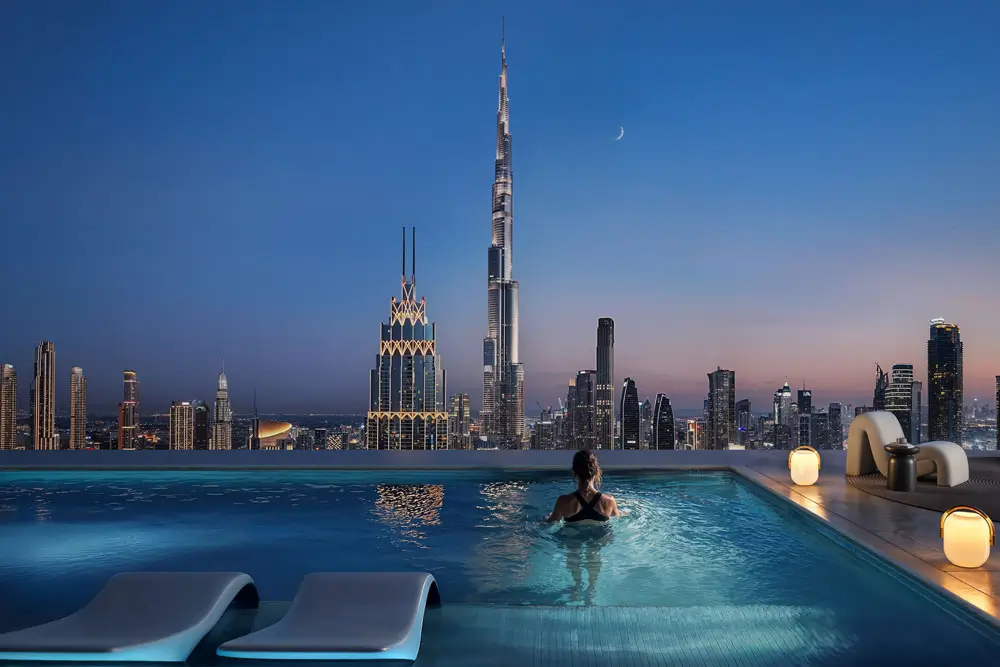
Villas in Phuket, premium apartments in Dubai, or view-facing penthouses in Athens can generate annual rental yields of 6-10% for elite housing. Meanwhile, property management is handled by professional companies, allowing the owner to minimize their own involvement in servicing the asset.
“A getaway abroad”
By buying property in a world-class resort or major business hub, an investor gains unimpeded access to local infrastructure — private beaches, yacht marinas, golf clubs, Michelin-starred restaurants. This format gives the owner the ability to change scenery at any time, spend a family vacation in comfortable privacy and security, or hold a business meeting at their private residence.
Three Pillars of High Returns for Premium and Luxury Real Estate Abroad
For MAG World Properties, premium real estate isn’t just about a high price and prestigious design. The elite properties in our catalog are those whose value is supported by a scarce location, a reliable developer, architecture, privacy, infrastructure, liquidity, and a clear usage scenario.
So what drives high returns on this kind of property?
Limited supply is the foundation of sustainable growth
In the premium segment, real estate market rules work differently. While mass-market volumes can grow indefinitely, luxury locations — beachfront first lines, prestigious city districts, business hubs in megacities — have clear physical boundaries. There’s practically no free land available for development, and obtaining building permits comes with complex bureaucracy. In certain scarce locations, limited supply supports the price, though it doesn’t eliminate market risks.
Uniqueness and exclusivity underpin high value
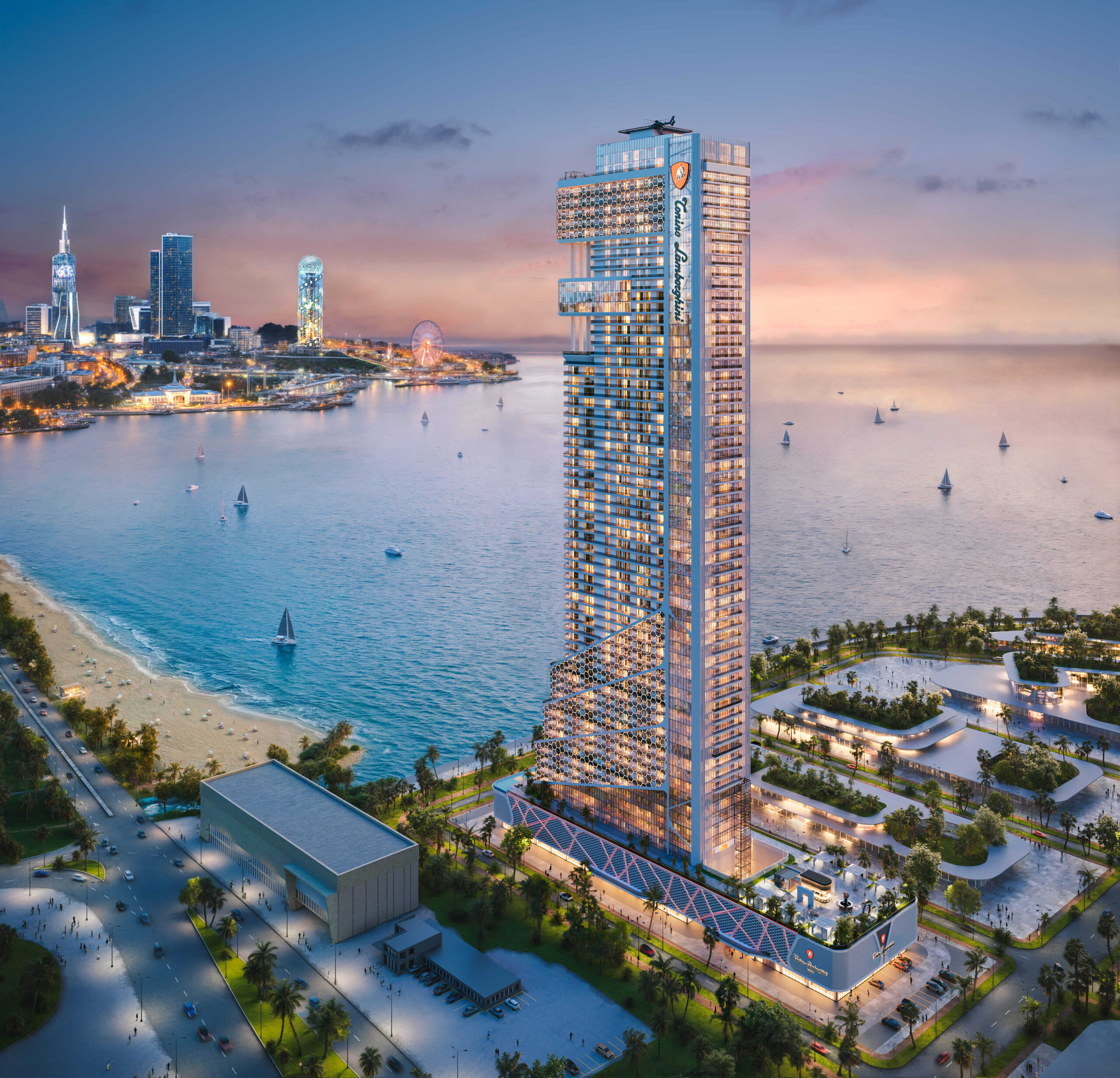
In this category, what’s valued above all isn’t the number of square meters, but their image. This includes, in particular, signature architecture from renowned design firms, collaborations with global fashion houses, helipads, private yacht marinas, and exclusive club service. Also valued: proximity to popular attractions — for example, the UAE’s first casino — or neighboring nature reserves and national parks.
The price of such lots doesn’t move according to general market laws. During crises and periods of turbulence, when prices for mass-market property fall, exclusive properties, by contrast, become more valuable to wealthy investors. This means their owners gain the ability to dictate their own terms when renting out or reselling.
A sensible price-to-quality ratio
An investor’s understanding of “price-quality” includes more than layout or finishing. Those investing in luxury properties primarily view them as a business model. The price should be justified by the lot’s advanced technology and liquidity, and by the reliability of the developer and management company. Energy efficiency, advanced security systems, and privacy are qualities that increase a property’s value.
Additional Factors Driving Real Estate Price Growth
Stable political and economic situation
For investors in the luxury segment, one of the main criteria when choosing countries for real estate investment is legal protection of capital. Political and economic stability, functioning property-rights protection institutions, and a strong national currency create a solid foundation for long-term plans. Major financial flows concentrate precisely in such locations. Dubai is an example, with its reputation as an oasis of safety for global capital. So is Greece, which protects investors and overseas real estate investments within the European legal framework while offering more affordable real estate than Italy or Spain.
Developed infrastructure
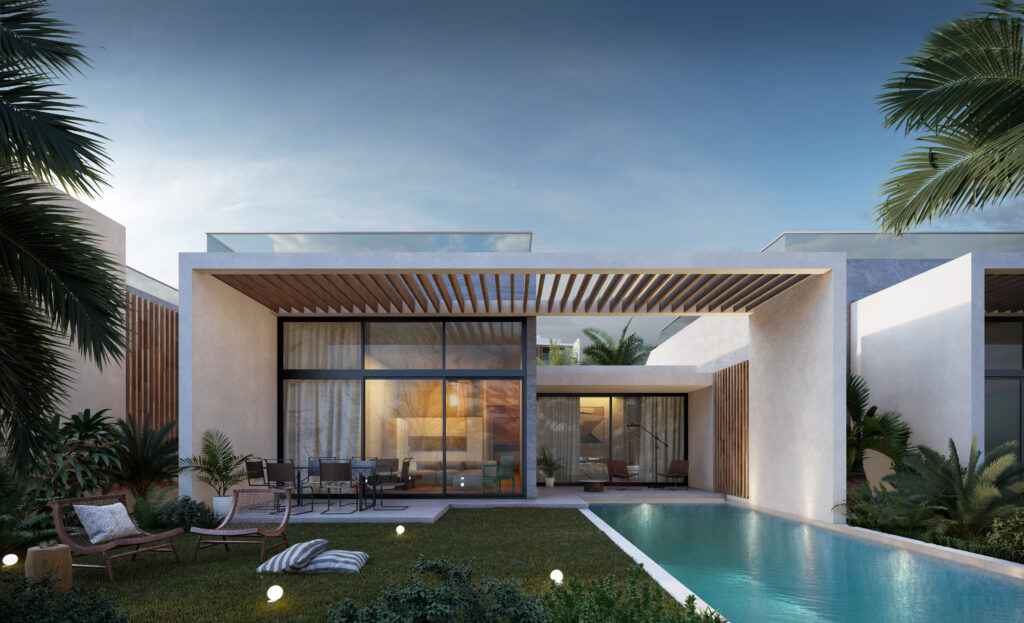
A significant share of a premium property’s value comes from its surroundings — the presence of international airports, private aviation terminals, helipads, deep-water marinas, and golf courses. This kind of environment can be seen, for example, in Phuket, where luxury villas are surrounded by marinas and golf resorts. This format attracts the most discerning buyers and confidently drives housing prices upward.
Social infrastructure matters too — schools, kindergartens, sports clubs, multi-specialty clinics, which can easily be found in Dubai.
A favorable tax climate
A well-considered fiscal policy is an essential condition for a stable inflow of foreign capital. Jurisdictions offering investors loyal, transparent conditions always come out ahead in the competition for investors. Moderate taxation makes it possible to increase returns on rental and resale. This fuels buyer interest and helps keep real estate prices at a high level.
For those who’ve decided to buy luxury-category property abroad, a comprehensive analysis of properties and their prospects is especially important. That’s why, during preliminary due diligence, MAG World Properties experts assess not just the profitability declared by the developer, but the property’s real investment potential. We factor in the entry amount, taxes and fees specific to the jurisdiction, finishing and furnishing costs, service charges and the cost of local management company services, the asset’s liquidity, and exit strategies. This analysis allows us to calculate base, conservative, and optimistic returns for each lot — and then choose the country and property that best matches the client’s investment goals.

UAE, Greece, and Thailand — Which One to Choose for Buying Property
UAE (Dubai)
The emirate attracts investors with the absence of taxes on income, capital gains, inheritance, and property ownership. The only mandatory cost remains a one-time DLD fee of 4%.
An important argument in Dubai’s favor is the ability to obtain a 10-year Golden Visa, renewable, when purchasing property worth at least AED 2 million (€476,000). This amount can be combined from several properties. Requirements for investors are the same for EU citizens as for those from non-EU countries. The purchase procedure takes minimal time, the deal can be arranged remotely, and payment can be transferred from any foreign account to the developer’s escrow account.
Greece
Greece’s advantages in the context of buying property abroad became especially clear after capital gains tax and VAT on new builds were suspended until the end of 2026. Thanks to this, our clients gained the opportunity to invest in property with a change of use, paying only a property transfer fee of 3.09%. Total related buyer costs therefore don’t exceed 7-8%. For the Golden Visa, the minimum investment in Athens, Thessaloniki, and popular islands is €800,000. In other regions, the entry threshold is €400,000. If the investor buys a historic building for renovation or a commercial property to be converted into residential use, the entry threshold is €250,000. In the MAG World Properties catalog, you can find properties in Greece for investment starting at €140,000.
Status is processed remotely. The investor card only grants visa-free travel within Schengen once it’s actually been issued, and selling the property leads to cancellation of the residence permit.
Thailand
Thailand offers investors two ownership structures as individuals:
- freehold condo within the 49% foreign quota in a project;
- 30-year leasehold.
The purchase itself doesn’t allow real estate investors to obtain residency, but since October 2025, it’s become possible to obtain an annual, renewable permit to stay through a Ministry of Tourism certificate, for €800 a year, when purchasing a freehold condo. Property prices in Thailand for eligibility for this permit start at €78,500.
Alternative options:
- an annual investment visa, renewable, from €270,000;
- a 10-year LTR Wealthy Global Citizen visa for purchasing property worth at least €875,500 plus investments from €440,000;
- narrowly targeted programs that don’t require a property purchase.
No capital gains tax is paid on resale, and the total fiscal burden ranges from 1 to 6% of the transaction amount. The procedure is optimized for a remote format — foreigners can purchase property while outside the country. Opening a local bank account isn’t required, though for the freehold format, payment must be made only via SWIFT transfer, with a FET (Foreign Exchange Transaction) certificate obtained.
Where to Buy Property Abroad? Comparison Table
We invite you to compare the profitability of real estate investments in Greece, Thailand, and Dubai based on analysis from the MAG World Properties team.
| Criterion | Greece | Thailand | UAE (Dubai) |
|---|---|---|---|
| Taxes on purchase | Property transfer fee 3.09% | Transfer fee ~6% of appraised value | DLD registration fee (Dubai) 4% |
| Ease of completing the deal | Strict requirements; remote format possible via notarized power of attorney with apostille. Proof of source of funds required, especially for non-EU citizens. | The land department requires personal presence or a legalized power of attorney to complete the deal. | The deal can be arranged remotely, but a personal visit is required for a medical test, biometrics, and an Emirates ID. |
| Possibility of registering ownership | Yes, requires due diligence via the land registry, tax registry (AFM), and cashless payment. | Yes, in freehold condo format for individuals, within the 49% foreign quota of the project’s area. | Yes, full ownership rights for foreigners in freehold format in designated zones. |
| Possibility of obtaining residency or an investor visa through property | Golden Visa program. Entry threshold €800,000 for Athens, Thessaloniki, and certain popular islands; €400,000 for other regions; €250,000 for certain property types. | Annual, renewable stay permit from €78,500, or an investment visa from €270,000 | 10-year Golden Visa, renewable, for purchases from €476,000. |
Data in the table is current as of the publication date. The information is for general reference only and should be verified given ongoing changes in the real estate market.
UAE Real Estate — A Tax Haven for Investors
The UAE market offers unique tax benefits for investors, minimizing the financial burden on private property owners. The main advantage is the absence of an annual property tax, as well as fiscal charges on inheritance and capital gains upon resale. In addition, income from short-term or long-term rentals is not taxed for individuals. This allows owners to retain their full net profit.
The only noticeable cost when buying remains a one-time registration fee, the rate of which depends on the emirate: 2-3% in Abu Dhabi, Sharjah, and Ras al-Khaimah, and 4% in Dubai. Additional expenses — for example, registrar services and preparing the title deed — are minor.
Thailand Real Estate — Properties for Leisure and a Plan B
It’s worth considering investment in the local market as an attractive and effective tool for capital diversification and a reliable place to preserve wealth during periods of global turbulence. Thailand offers foreigners clear and protected mechanisms for property ownership without needing to set up a legal entity. Freehold — full ownership rights for foreign investors — is limited by a quota of 49% of a project’s total area. You can also choose long-term leasehold for 90 years.
For those considering Thai property as a base for extended stays or a plan B, a special mechanism was launched in October 2025. If you buy property worth at least €78,500, you can obtain an annual stay permit through a Ministry of Tourism certificate, renewable for €800 a year, provided you retain the property. It allows you to legally stay in the country along with family members, though it doesn’t grant the right to work.
Deals involving Thai property are adapted for a remote format without needing a power of attorney: the national land registry officially accepts electronic signatures. There’s no capital gains tax upon subsequent sale, which increases the property’s liquidity. And the long tourist season ensures good rental demand for owners of resort properties. That said, rental potential depends on the season, occupancy, management model, operating costs, and the initial cost of the property.
Greece Real Estate — A Path to EU Residency and Citizenship
Investing in Greek real estate opens direct access to EU residency through the Golden Visa program. The entry threshold for this program is €800,000. The residence permit is issued indefinitely but requires renewal every five years, with the countdown starting from the date the card is issued. From that same moment, the foreign national gains the ability to move freely within the Schengen zone. The “blue paper” — a receipt confirming submitted documents — only allows legal presence within Greece.
A beneficial aspect of the program is the ability to include three generations of family in the application: spouses, their parents, and children up to age 21. The minimum investment amount doesn’t increase for this. That said, the Golden Visa places strict restrictions on how the property can be used: renting it out on a daily basis via Airbnb is officially prohibited — only long-term rental is allowed.
Citizenship cannot be obtained directly through investment, but strict compliance with residence permit rules opens a path to it through naturalization.
Potential Risks of Investing in Real Estate
Entering international markets brings real estate investment risks that can significantly affect a property’s liquidity and a strategy’s returns:
- Currency fluctuations, especially in countries with weaker local currencies. Their devaluation against the dollar and euro can reduce operating income, since rent is most often paid in local currency.
- Regulatory and fiscal risks. Unfamiliarity with the laws and rules of a foreign country, through which real estate market regulation is carried out, and the inability to quickly track changes in legislation, fiscal policy, and housing usage rules, can derail even carefully planned asset usage scenarios.
- Market overheating. Where artificially inflated demand for property outpaces supply, resulting in sharp price growth, a “bubble” forms that will eventually burst. Those who bought properties at inflated prices during such a period may face difficulties with payback and resale.
- Global turbulence can trigger a drop in housing demand at any moment — and expensive premium properties are not immune to this either.
Is it possible to minimize the risk of these and other threats when investing in overseas properties? Yes — and that’s precisely what MAG World Properties specialists take into account when selecting properties for their clients.
Which Market Matches Your Goal — UAE, Greece, or Thailand?
If you’re comparing the UAE, Greece, and Thailand, the MAG World Properties team can help match these markets to your goal, budget, intended use, total purchase cost, and key restrictions.
But even now, you can draw your own conclusion based on our brief summary:
- The UAE is relevant for those who want to minimize dependence on taxes and bureaucracy.
- Thailand suits those who see real estate not just as an investment asset, but as a place to enjoy a beautiful vacation.
- Greece is the optimal solution for those seeking a path to EU residency and citizenship, and who want to expand educational opportunities for their children.
Leave us a request, and we’ll help you choose the best countries for investment based on your goals, budget, and acceptable level of risk. We’ll also prepare a personalized selection of relevant destinations and properties, calculate related costs and returns, and help you optimally diversify your investments.
FAQ
How does elite real estate in the UAE differ from the premium segment in Greece and Thailand?
The UAE, specifically Dubai, bets on a progressive format — elite housing in business and resort clusters with smart management, helipads, and round-the-clock concierge service. In Greece and Thailand, the luxury segment is oriented toward privacy, autonomy, and a resort atmosphere, and is represented by luxurious beachfront villas or exclusive eco-friendly low-rise projects.
In which country is the growth potential of elite real estate higher in the long term?
The decision on which country to buy luxury-class property in depends on the investor’s goals and capabilities. The UAE currently leads in growth rate. Here, demand for premium real estate consistently exceeds supply, and the average price per square meter in top locations delivers returns of up to 10%. In Greece, properties for restoration and change of use show the greatest growth potential. Choosing this kind of property lets you enter the European market with relatively modest capital. Thailand’s high investment appeal lies in its new long-term residency mechanism and the scarcity of the foreign quota in luxury condominiums.
What tax features are important to consider when buying elite real estate abroad?
Dubai has no annual property tax, no capital gains tax, and no tax on rental income for individuals — only a one-time purchase fee of 2-4% is paid. In Greece, a property transfer fee of 3.09% applies, while capital gains tax and VAT are temporarily suspended until the end of 2026. In Thailand, VAT is already included in the asset’s price, and the total burden on subsequent resale doesn’t exceed a fixed 1-6%.
How liquid is elite real estate in the UAE, Greece, and Thailand?
The Emirates market is one of the most liquid, thanks to the currency’s peg to the dollar, the absence of taxes, and the ability to resell at any stage of construction. Liquidity of Greek assets is tightly tied to the Golden Visa program — properties in the capital and by the sea in resort locations are in demand, though the law completely prohibits their short-term rental via Airbnb. In Thailand, liquidity is high during the peak six-month resort season, while registering property as freehold requires strict compliance with currency transfer rules, including obtaining a FET certificate.
What risks are associated with investing in luxury real estate in these countries?
In Greece, the main risks are strict AML controls on the source of funds, a ban on using cash in sale-purchase transactions, and lengthy processing times. In Thailand, foreigners face the factor of still-developing legislation around the new Ministry of Tourism visas, and a high probability of the 49% foreign quota being exhausted for a liquid property. For Dubai, a key risk could be localized speculative overheating of the market followed by a downturn.
How does the choice of investment country affect returns from renting out elite real estate?
Location influences strategy, and vice versa — strategy is a key factor in choosing location. Property in Dubai, for example, offers consistently high income year-round, both from long-term rentals in business districts and short-term rentals on the coast. Thailand generates maximum profit during the high dry season from November to April, while requiring management costs for elite properties — a Sinking Fund and Maintenance Fee. Greece limits owners with a ban on short-term rentals and a progressive non-resident income tax scale ranging from 15% to 45%.