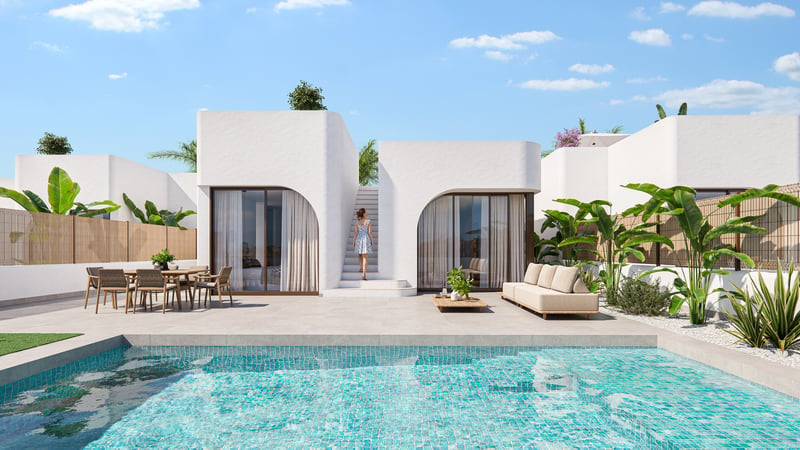
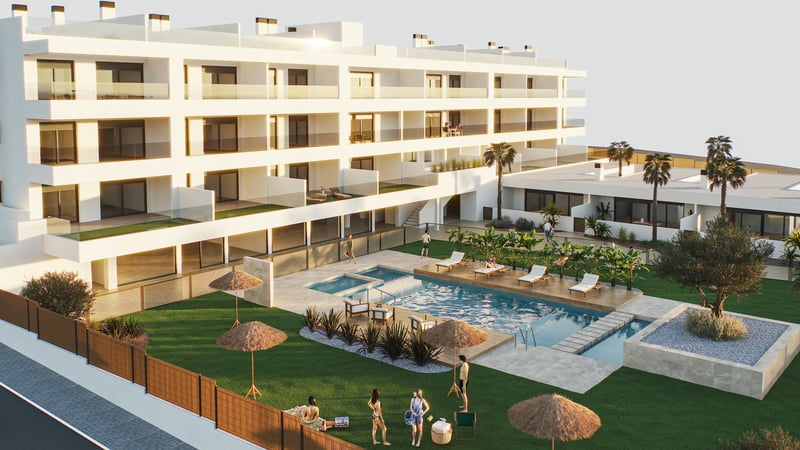
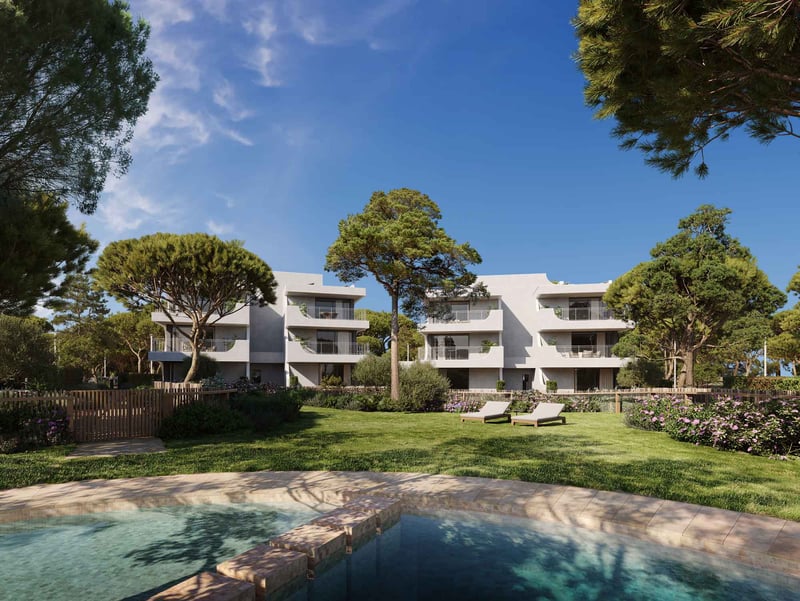
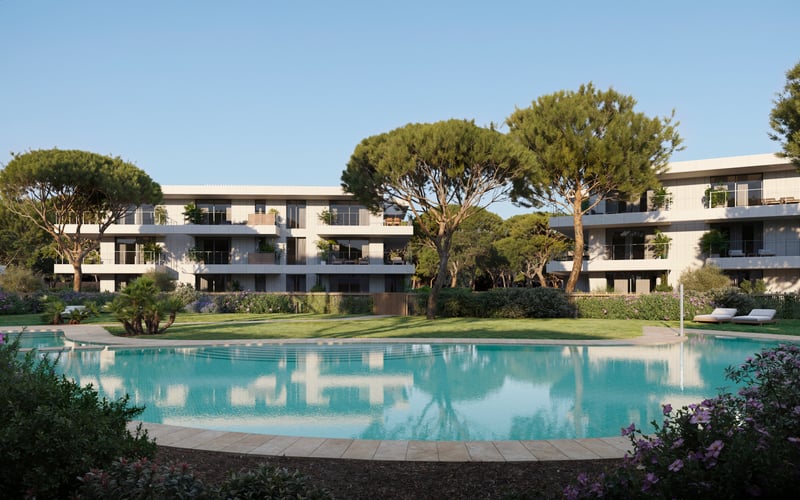
Apartments Spain for sale

60 listings

Apartments Spain for sale (60)

  • Price: low to high
  • Price: high to low
  • Area: low to high
  • Area: high to low
  • Alphabetical: A to Z
  • Alphabetical: Z to A
  • Newest first
  • Oldest first
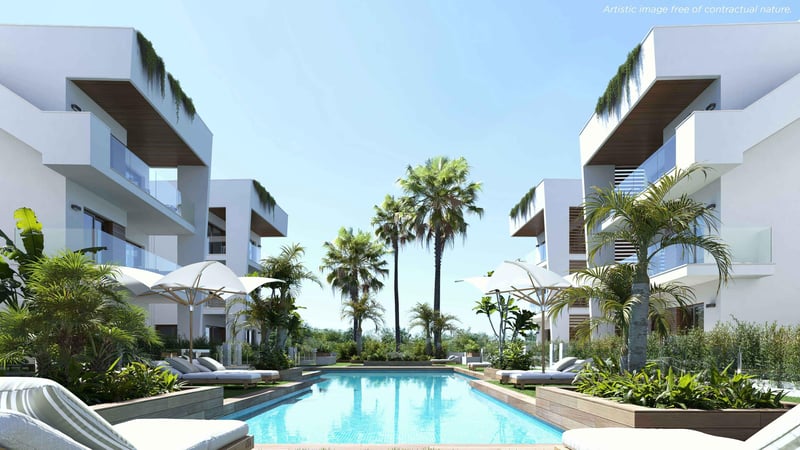
Residencial ICONIC
For a second home

Residencial ICONIC

€ 321,500 - 437,000 ≈ 1,432,572 - 1,947,228 PLN

Murcia, Spain

Apartment, Penthouse

93 – 117 m²

Key Features:

  • Mountain View
  • Swimming Pool
  • Underground Parking
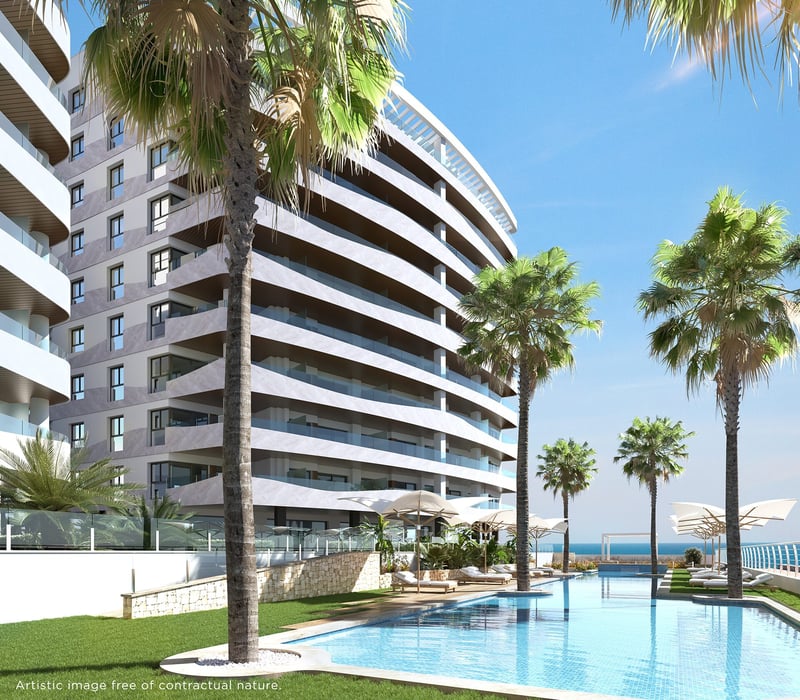
Amara Maris
For a second home

Amara Maris

€ 288,000 - 652,000 ≈ 1,283,299 - 2,905,247 PLN

Murcia, Spain

Apartment

51 – 115 m²

Key Features:

  • Beachfront
  • Water View
  • Mountain View
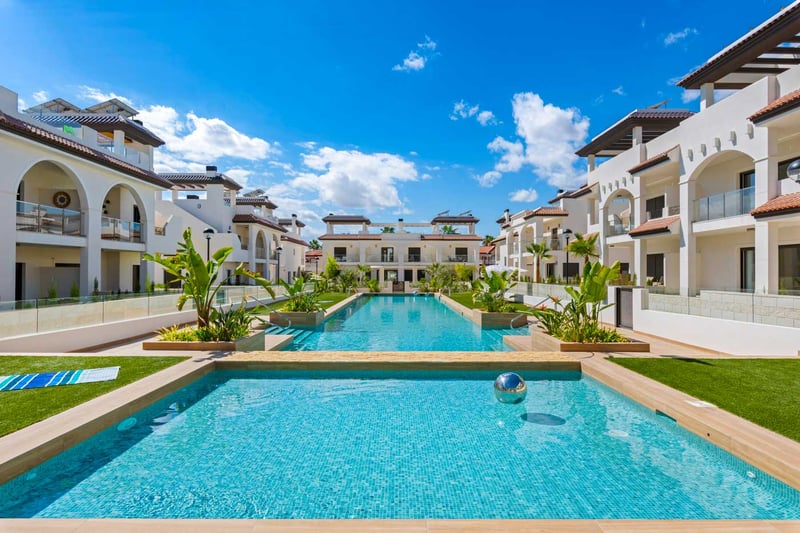
Marella Garden
For a second home

Marella Garden

€ 313,000 - 442,000 ≈ 1,394,697 - 1,969,508 PLN

Alicante, Spain

Apartment, Penthouse

89 – 116 m²

Key Features:

  • Mountain View
  • City Center
  • Swimming Pool
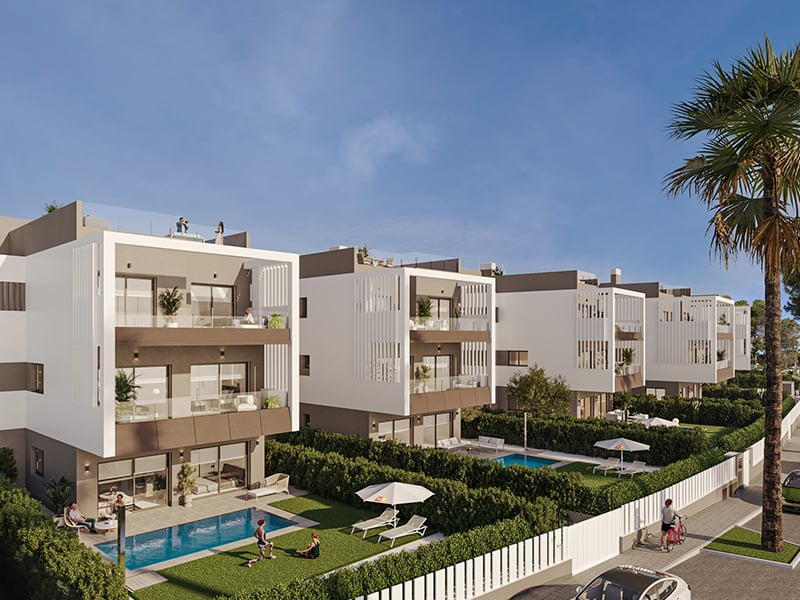
Allure of Sant Jordi
For a second home

Allure of Sant Jordi

€ 736,000 - 1,056,500 ≈ 3,279,542 - 4,707,658 PLN

Mallorca, Spain

Apartment

98 – 162 m²

Key Features:

  • Beachfront
  • Water View
  • Mountain View
L.A. Sunset
For a second home

L.A. Sunset

€ 350,000 - 650,000 ≈ 1,559,565 - 2,896,335 PLN

Murcia, Spain

Apartment, Villa

67 – 224 m²

Key Features:

  • Mountain View
  • Swimming Pool
  • Private Pool
Almaia Living
For a second home

Almaia Living

€ 240,000 - 630,000 ≈ 1,069,416 - 2,807,217 PLN

Torrevieja, Spain

Apartment, Villa

46 – 93 m²

Key Features:

  • Beachfront
  • Water View
  • Swimming Pool
Jazmin Garden
For capital preservation

Jazmin Garden

€ 326,000 - 415,500 ≈ 1,452,623 - 1,851,426 PLN

Alicante, Spain

Apartment, Penthouse

86 – 114 m²

Key Features:

  • City Center
  • Swimming Pool
  • Guest Parking
Morell Apartments
For a second home

Morell Apartments

€ 480,000 - 739,000 ≈ 2,138,832 - 3,292,910 PLN

Barcelona, Spain

Apartment

93 – 138 m²

Key Features:

  • Beachfront
  • Near Airport
  • Water View
Tramuntana Apartments
For a second home

Tramuntana Apartments

€ 472,000 - 620,000 ≈ 2,103,185 - 2,762,658 PLN

Barcelona, Spain

Apartment

79 – 119 m²

Key Features:

  • Beachfront
  • Near Airport
  • Water View

Properties from developers in Spain

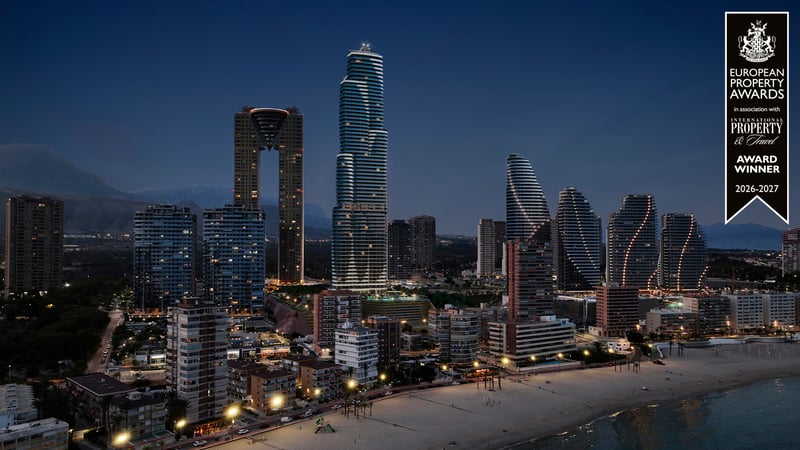
TM Tower
For rental income

TM Tower

€ 607,000 - 2,419,500 ≈ 2,704,731 - 10,781,050 PLN

Benidorm, Spain

Apartment

75 – 243 m²

Key Features:

  • Beachfront
  • City Center
  • Near Airport
Mar de Pulpi
For a second home

Mar de Pulpi

€ 179,000 - 689,300 ≈ 797,606 - 3,071,452 PLN

Almeria, Spain

Apartment

54 – 283 m²

Key Features:

  • Beachfront
  • Water View
  • Mountain View
Santa Maria Sea
For a second home

Santa Maria Sea

€ 294,000 - 727,400 ≈ 1,310,035 - 3,241,222 PLN

Valencia, Spain

Apartment, Penthouse

87 – 344 m²

Key Features:

  • Beachfront
  • Water View
  • Mountain View
Sunrise Canet
For a second home

Sunrise Canet

€ 249,000 - 1,037,500 ≈ 1,109,519 - 4,622,996 PLN

Valencia, Spain

Apartment

72 – 302 m²

Key Features:

  • Beachfront
  • Water View
  • Mountain View
Azure Icons
For a second home

Azure Icons

€ 520,000 - 1,265,300 ≈ 2,317,068 - 5,638,050 PLN

Alicante, Spain

Apartment

65 – 131 m²

Key Features:

  • Beachfront
  • Water View
  • Mountain View

Don't have time to browse
all the offers?

Tell me what kind of apartment you`re looking for, and I`ll quickly find offers that meet your expectations for free, as well as advise you on which one is best to choose.

Apartments in Spain — How to Choose Property for Personal Use or Investment

Apartments in Spain: Who Are They a Good Choice For?

Apartments in Spain can serve as a second home, a place to live, a holiday property, or an asset intended for rental. The right choice depends not only on how appealing the region is, but also on the purpose of the purchase, the overall budget, the intended way of using the property, and the owner's willingness to manage it remotely.

This guide is aimed primarily at private buyers and investors from Poland who are considering purchasing property abroad but do not want to base their decision solely on photos, the stated price, or promises of high demand.

Buying for one's own lifestyle usually starts with questions about everyday comfort: do you want to live near the beach, use the property in winter, have convenient access to an airport, restaurants, healthcare, and other services? In this scenario, apartments in Spain should above all match the rhythm of life of the owner and their family.

Investment apartments look different. Here, what matters is the tenant profile, seasonality, tourist rental rules, competition in the area, homeowners' association fees, and the post-purchase service model. Rental income and value appreciation are not guaranteed, so property investment requires analyzing a specific project rather than an entire country or coastline.

Before starting the search, it is worth defining four elements: the maximum overall budget, the desired period of personal use, the minimum location requirements, and whether rental will be a supplement to personal use or the main purpose of buying apartments in Spain.


Where to Buy Apartments in Spain?

The choice of region should depend on the intended use of the property. Property locations in Spain differ in terms of flight connections, season length, scale of tourism, year-round infrastructure, and tenant profile. Comparing listed prices alone does not reveal either maintenance costs or the real convenience of using the property.

Region of Spain

Character of the Location

May Suit Those Looking For

Costa Blanca

Diverse resorts and towns for year-round living

A second home by the sea and a wide selection of apartments

Costa Cálida

Calmer character in part of the towns

Relaxation, sea access, and a less intense pace of life

Costa del Sol

A mature international market

Developed infrastructure and services

Costa de Almería

A more local, diverse market

Quieter locations and an individual approach to selection

Mallorca

An island market

An island lifestyle and specific flight connections

Costa Blanca and Costa Cálida: Who Are They For?

Costa Blanca and Costa Cálida are often considered by people who want to combine their own stay by the sea with the possibility of occasional rental. Both large resorts and property in quieter towns are available here.

Before choosing a specific location, it's worth checking: how long the journey from the airport takes, whether restaurants and shops operate outside the season, how far it is to the beach, and whether the surrounding area is dominated by resort development, residential development, or intensive tourism.

For rental purposes, the name of the coast alone is not enough. Apartments located near services and transport may have a different guest profile than housing in a closed complex far from the center. Local rental requirements also need to be checked before making a decision.

Costa del Sol and Costa de Almería: Climate, Infrastructure, and Market Character

Costa del Sol is known for its developed infrastructure, international community, and broad range of services. It may suit buyers who want to use the property for most of the year, or for whom access to restaurants, golf courses, schools, and transport is important.

Costa de Almería has a more varied character. In some locations, the pace of life is calmer and the market is less intensively international. This does not automatically mean lower costs or better returns — each investment should be assessed individually.

The higher recognition of Costa del Sol does not mean it will better suit every budget. In both regions, buyers need to compare the project standard, homeowners' association fees, access to services, planned development nearby, and the rules governing the use of the property.

Mallorca: When Is an Island a Better Choice Than the Mainland?

Mallorca may suit buyers who value an island lifestyle, flight connections, and the special character of the location. For some owners, the ability to regularly spend time on the island matters more than maximizing rental income.

Buying on an island, however, requires particularly careful verification of how convenient the property is to use outside the season, maintenance costs, and the availability of services in the chosen town. It's also worth checking the current tourist rental rules and the property's designated use before signing a contract.

Information regarding tourist regulations in the Balearic Islands should always be confirmed through official materials from the Balearic Islands government. Local rules can change, and the possibility of renting depends, among other things, on the type of housing, its location, and the permits required.

What Type of Property Should You Choose: an Apartment, a Flat, or a Villa?

Property types in Spain differ in the scope of owner responsibilities, level of privacy, and ongoing costs. An apartment in a complex often offers shared amenities, a flat in the city provides proximity to services, while a villa or a country house usually means more independence but also more responsibility for upkeep.

There is no single best solution. The choice should match the number of users, frequency of stays, rental plans, and willingness to manage the property.

Newly Built Apartments

New apartments in Spain can be a good solution for those who expect a modern standard, a terrace, a pool, a garage, or shared areas. Buyers often choose the primary market when they want to limit the amount of renovation work needed after taking possession of the unit.

Before booking, it's necessary to check the finishing standard, the planned handover date, the status of the project documentation, the payment terms, and the size of the homeowners' association fees. In the case of buying at the construction stage, it's also important to understand the timeline and the rules protecting funds paid in.

At MAG World Properties, project selection includes an analysis of the developer, documentation, and deal terms, while legal matters involve cooperation with local lawyers. The scope of due diligence should always match the specific project and stage of investment.

Small Apartments or Larger Property?

Small apartments may suit a couple who uses the property a few times a year. They are usually easier to manage and can generate lower maintenance costs than larger apartments, but they limit the number of people who can comfortably use the space.

A family may need an extra bedroom, a larger terrace, or proximity to child-friendly infrastructure. At the same time, an investor planning to rent out the property should match the floor area to the guest profile and costs, rather than assuming that a larger space always guarantees a better result.

The optimal size depends on the usage model. It's worth mapping out who will use the property, in which months, and whether the property will be available to tenants for most of the year.

A Villa, a Townhouse, or a Flat in the City?

A villa usually offers the most privacy and space, but it can come with a larger scope of maintenance: a garden, pool, technical systems, or plot security. This is a solution for people who are prepared to take on a higher level of responsibility or who plan to delegate management.

A townhouse is often an intermediate option between an apartment and a standalone villa. It can offer more space than a flat while retaining some of the amenities of a community.

A flat in the city may better suit people planning to relocate or stay for extended periods throughout the year. Proximity to services, transport, and everyday life is often more important than a private garden, especially when the owner does not want to arrange remote property maintenance.

How Much Does It Cost to Buy Apartments in Spain?

The overall budget is more than the price stated in the listing. The costs of buying property in Spain depend, among other things, on the region, the property's status — primary or secondary market — and the buyer's individual situation.

Expense Category

When It's Paid

What Needs to Be Confirmed

Property price

According to the contract and payment schedule

Currency, deadlines, specification, and booking terms

Transaction taxes

At the time of purchase, depending on the type of deal

Current regional rates and tax classification

Notary and registration

At completion and property registration

Fees related to the deed and the registry

Legal support

Before and during the deal

Scope of document review and representation

Financing

Before completion and throughout the loan period

Bank terms, down payment, mortgage costs in Spain

Ownership costs

After purchase, on an ongoing basis

Homeowners' association fees, insurance, local tax, utilities, and maintenance

Property taxes in Spain and taxes charged during purchase do not have a single universal rate across the whole country. Buying a new property versus purchasing on the secondary market can be subject to different rules, and some payments are set at the regional level. An up-to-date calculation should be obtained from a local lawyer or tax advisor before transferring any funds.

Additional costs of buying apartments may also include possible translations, powers of attorney, insurance, or expenses for preparing the property for use. In the case of housing in a complex, it's necessary to review the homeowners' association rules and the projected annual fees.

A mortgage in Spain may also be available to some non-residents, but the bank assesses the source of income, financial history, down payment, and the buyer's documents. Financing is not granted automatically, and terms vary by institution.

How to Buy Property in Spain Step by Step?

The process of buying property in Spain is best carried out in stages: from defining the purpose to the notarial deed and organizing post-purchase matters. Independent verification of documentation regarding the property purchase, along with clear agreement on deadlines and payments, is of key importance.

  1. Defining the purpose, overall budget, and preferred regions.
  2. Selecting offers and viewing the property and its surroundings.
  3. Booking, after verifying its terms.
  4. Legal due diligence and document analysis.
  5. Arranging financing and payments.
  6. Completing the deal before a notary and registering ownership.
  7. Handover of the property, insurance, and, if needed, rental management.

Selecting a Property and Analyzing the Location

Before viewings, it's worth defining not just the purchase price but the maximum overall budget. You need to establish the number of bedrooms, the required standard, the distance to the airport, the beach and services, and the planned way of using the property.

During the viewing, it's worth asking about:

  1. homeowners' association fees and the scope of services;
  2. planned development nearby;
  3. availability of parking, storage, and transport;
  4. rental rules in effect in the building and municipality;
  5. the handover date, if it's a new build;
  6. costs of using the property outside the season.

Agency support should help organize these criteria, not replace independent legal or technical assessment.

Booking, Documents, and Legal Due Diligence

A booking should not be treated as a formality. Before paying, it's necessary to read the refund terms, the schedule of subsequent payments, and the obligations of both parties.

Legal due diligence covers a scope appropriate to the specific type of property. It may concern, among other things, ownership title, encumbrances, permits, investment status, homeowners' association documentation, and the contents of the contract. A local lawyer should explain to the buyer which documents are required and what risks have been identified.

Financing, Payments, and Completing the Purchase

The source of financing needs to be determined well in advance. In the case of buying with one's own funds, the transfer schedule and documentation regarding the origin of the funds are important, while for loan financing, the bank's requirements must be met.

Completion of the deal typically takes place before a notary. Ownership is then registered according to the proper procedure. Documents and deadlines need to be confirmed with a local lawyer and notary, as they depend on the situation and type of deal.

Buying Apartments and Residency in Spain

Buying apartments does not automatically grant the right to reside in Spain or tax residency. Property ownership, legal stay, tax residency, and possible residency programs are separate matters.

Tax residency depends on facts related to one's stay and life situation, not solely on owning property. Residency rules also differ for citizens of the European Union and those from outside the EU. Current information should be verified on the official portal of the Spanish immigration authority.

Investment Apartments in Spain: How to Assess Rental Potential?

Investment apartments in Spain should be assessed based on income after expenses, not just projected booking revenue. Renting out apartments in Spain can be an appealing model, but it requires analysis of local demand, seasonality, regulation, and operating costs.

Before buying, it's worth preparing a checklist:

  1. Who will be the tenant: tourists, families, remote workers, or long-term tenants?
  2. Is there demand in the location outside the main season as well?
  3. What is the level of competition among properties of a similar standard and similar distance from the beach or center?
  4. Is short-term rental permitted in Spain for the specific property, and under what conditions?
  5. What will the homeowners' association fees, cleaning, management, repairs, insurance, and utilities amount to?
  6. Will the owner use the apartment during the periods most attractive for rental?
  7. Who will handle guests, maintenance requests, and reporting?

Gross income should be distinguished from net income. Gross income is the total amount received from guests. Net income remains only after deducting management costs, taxes, fees, vacancy periods, service, and maintenance.

Holiday rentals can generate higher revenue in certain periods, but they usually require more active servicing and are more sensitive to seasonality and local regulations. Long-term rental may be a more sensible option for an owner who prefers a more stable usage model and less frequent tenant turnover.

Historical results, marketing projections, and data from other locations do not guarantee future profitability. Investing in property in Spain requires a separate analysis of the specific address, building, and management model.

How Does MAG World Properties Support the Purchase of Apartments in Spain?

MAG World Properties helps buyers move from a general idea to an organized decision. The initial consultation primarily serves to define the purpose of the purchase, the overall budget, the preferred location, and expectations regarding personal use and rental.

Next, we can compare regions of Spain, select new apartments in Spain that match the defined criteria, and present the project documentation. When buying property abroad, it's also important to coordinate the work of local specialists, including lawyers, when independent document verification is needed.

The MAG model includes consulting, project selection, and support in organizing the deal. According to the company's information, services are paid for by developers, so the investor does not pay a commission to MAG World Properties. However, this does not mean that every property or every region will be suitable for every buyer.

A good consultation should end with a clear plan: which locations to compare, which budget to adopt, which documents to check, and which risks require further analysis. This is a calmer way to make a choice than deciding under the influence of a single attractive offer.

Frequently asked questions

Can a foreigner buy apartments in Spain?

Yes, a foreigner can buy apartments in Spain. However, the purchase itself requires going through the deal procedures, verifying documents, and organizing payments. Citizenship status affects part of the procedures, as well as questions of residency and taxation, so it's worth using the services of a local lawyer and checking the current official requirements before buying.
What costs need to be added to the price of apartments in Spain?

Transaction taxes, notary and registration costs, legal support, and ongoing maintenance costs need to be added to the price of the apartment. The budget should also account for insurance, homeowners' association fees, utilities, and possible financing. Rates depend on the region, type of property, and buyer's status, so they require an up-to-date calculation before the deal.

Does buying property in Spain grant the right to residency?

No, buying property in Spain does not automatically grant the right to residency or tax residency. Owning housing is a separate matter from immigration and tax rules. Residency conditions depend, among other things, on citizenship and individual circumstances, while tax residency is assessed based on actual circumstances. Current regulations should be checked with official sources.

Can apartments in Spain be rented out to tourists?

Yes, but the possibility of tourist rental depends on the region, municipality, type of property, and local administrative requirements. Not every property fits this model, and the rules can change. Before buying, it's necessary to confirm the property's status, the homeowners' association regulations, and the current requirements of the relevant regional authority.

Choosing apartments in Spain should start with the purpose: a second home, relocation, family use, or rental. Only after that is it worth comparing the region, type of property, total costs, and the legal conditions of the specific project. The safest decision is one that takes into account both lifestyle and the owner's real responsibilities.

MAG | MAG Properties | MAG World Properties | Mag Estate | Properties Estate
Privacy Overview

This website uses cookies so that we can provide you with the best user experience possible. Cookie information is stored in your browser and performs functions such as recognising you when you return to our website and helping our team to understand which sections of the website you find most interesting and useful.