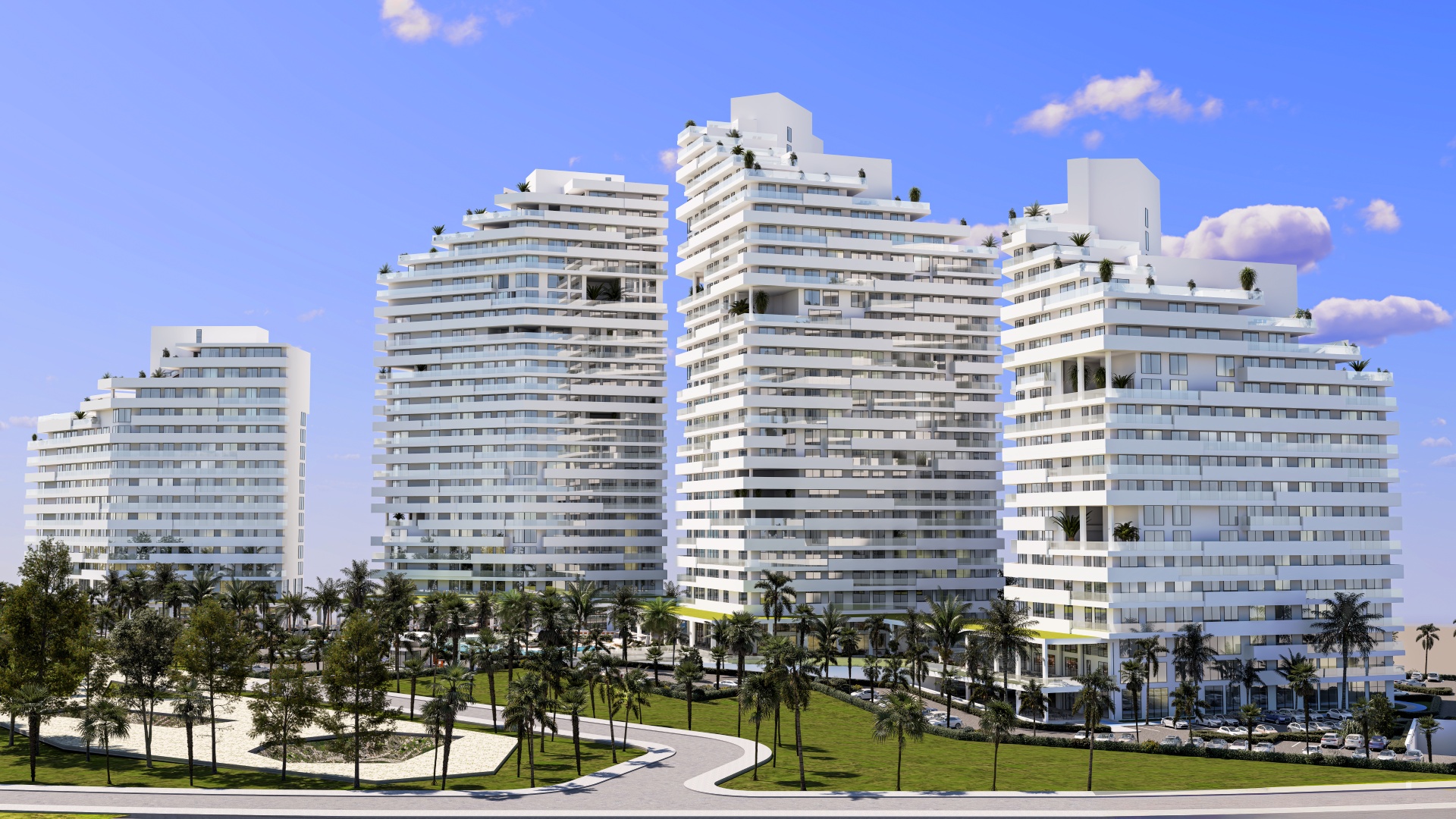





Buying property in Dubai can be worthwhile if it serves a specific goal: generating rental income, diversifying capital, purchasing a second home, or relocating. However, it is not a universal investment decision, as the outcome depends on the location, property type, timing of the purchase, costs, and management model.
This guide is intended primarily for Polish investors and buyers considering purchasing an apartment on the primary market in the United Arab Emirates. Its purpose is to help you understand the market mechanisms and prepare the right questions for an advisor, lawyer, and tax consultant.
This content is for informational purposes only and does not replace individual investment, legal, tax, or immigration advice. Regulations and the terms of residency programmes should be confirmed directly before completing a transaction.
Is Buying Property in Dubai Worth It?
Is it worth buying property in Dubai? Yes, but only if the parameters of a specific offer match your plan rather than simply an attractive marketing message. A property investment in Dubai can be used to generate rental income, diversify capital across different currencies, or purchase a property for personal use.
Dubai attracts investors with its international environment, well-developed infrastructure, and large rental market. In practice, however, the profitability of an investment in Dubai does not depend on the city alone. The same budget can produce very different results depending on the district, developer, apartment standard, handover date, and chosen rental model.
The market may not be suitable for someone expecting a quick resale without risk, stable income without operating costs, or complete predictability of currency exchange rates. A purchase financed largely through credit should also be approached with caution if higher financing costs could put pressure on the household budget.
For many buyers, a sensible starting point is to compare Dubai with other jurisdictions and then analyse several verified projects rather than making a decision based on a single listing.
What Drives Dubai’s Property Market?
Dubai’s property market is driven by demand from residents, entrepreneurs, tourists, and international investors. The city remains a regional hub for services, trade, logistics, and business, supporting demand for both homes to live in and properties rented by people coming to the city.
Infrastructure also plays an important role. Air connections, public transport, the development of new districts, and access to services all influence which parts of the emirate are attractive to tenants. An apartment near the metro, business districts, or leisure areas may appeal to a different target group than a family home located farther from the city centre.
Growing demand does not automatically mean that every project will increase in value. Investors should distinguish between data for the emirate as a whole and the situation in a specific building and micro-location. Construction quality, property layout, service charges, and the developer’s reputation are also important factors.
Before purchasing, it is worth checking the latest announcements from the Dubai Land Department and reports from reputable analytical firms. The data should always be dated, as price, transaction, and rental trends change over time.
Demand, Supply, and the Risk of Oversupply
New developments entering the market increase the range of options available to buyers and tenants. For property owners, this means that an apartment will compete not only with units in the same building but also with new developments in the surrounding area.
Oversupply is not automatically a problem in every district. New properties can still attract tenants if the location has strong demand, the development offers an appropriate standard, and the rental price is realistic. The risk increases when a large number of similar properties enter the market within a short period.
Before making a reservation, it is important to check planned developments in the area, their expected completion dates, and the profile of the target tenant. The premium segment requires a different approach from compact investment apartments.
Price Cycles and Realistic Forecasts
Property prices and rental rates in Dubai are cyclical. Historical growth can provide useful context, but it is not evidence of future performance and should not be used as a basis for assuming a specific resale price.
Before making a decision, it is worth monitoring transaction volumes, rental rates for comparable properties, new supply, the city’s economic activity, and financing conditions. The data should be verified shortly before signing the agreement rather than relying solely on reports published several quarters earlier.
A reasonable forecast should include several scenarios: base-case, conservative, and favourable. This makes it possible to assess whether the investment remains acceptable even if rental income is lower or the resale process takes longer than expected.
Which Property and Area in Dubai Match Your Goal?
Property selection should begin with the purpose of the purchase. An apartment in Dubai intended for tourists will have different characteristics from a home purchased for a family planning to relocate. Premium properties in Dubai may suit buyers looking for greater privacy, a high standard, and a limited number of comparable units, but they require a separate assessment of demand.
Popular areas of Dubai are not automatically the best choice for every budget. A well-known address may attract greater interest, but it does not replace an assessment of the price per square metre, property layout, ownership costs, or potential competition.
For rental purposes, the key question is who the target tenant will be: a business professional, a family, a tourist, someone relocating for several months, or a premium tenant. Only then should the area and property type be selected.
Short-Term or Long-Term Rental Property?
Short-term rentals may offer higher gross income during periods of strong tourist demand, but they usually require more active management. Seasonality, guest management, cleaning, furnishing, marketing costs, and periods without bookings should all be taken into account.
Long-term rentals are generally simpler to manage and may provide a more predictable pattern of income. On the other hand, the owner has less flexibility to use the property personally and may not benefit from periods of peak tourist demand.
Higher gross revenue does not necessarily mean higher net income. Any comparison should take into account all costs as well as the time required to manage the property.
Primary Market and Ready-to-Move-In Property
The primary market includes properties purchased directly from a developer, often while the project is still under construction. Buyers typically make payments according to a schedule and receive the keys once the project is completed. This model can make it easier to spread the purchase costs over time, but it also involves risks related to the construction timeline.
A ready-to-move-in property allows the owner to start renting it out or using it personally sooner. It also makes it possible to assess the actual standard of the building, the view, common areas, and surroundings rather than relying solely on project documentation.
Before making a reservation, it is worth checking the developer’s track record, project documentation, terms of the sales agreement, payment plan, and handover conditions. For off-plan projects, appropriate protection of the buyer’s payments is also particularly important.
Return on Investment: What Should You Compare Before Buying?
The return on investment in Dubai should be assessed based on the net result rather than the advertised rental income. The starting point should include the purchase price, expected rental income, ownership costs, potential vacancy periods, and a future resale scenario.
Gross rental yield compares annual rental income with the purchase price. It is quick to calculate but does not reflect the actual result after expenses.
Net rental yield takes into account the costs of owning and managing the property.
Total return also includes any potential change in the property’s value upon resale.
|
Comparison Factor |
Short-Term Rental |
Long-Term Rental |
|
Income |
May vary depending on season and occupancy |
Usually based on the rental agreement |
|
Management |
Requires more operational involvement |
Less frequent management |
|
Costs |
Furnishing, guest services, cleaning, marketing |
Maintenance, building fees, and potential management costs |
|
Owner Flexibility |
Greater flexibility to use the property personally |
Limited by the duration of the rental agreement |
|
Main Risk |
Lower occupancy and increasing competition |
Vacancy between tenants or downward pressure on rent |
Investing in Dubai property requires an individual financial model. Conservative assumptions should be used for rental income and costs, while currency risk should also be taken into account if your income and savings are held in a currency different from the one used for the transaction.
How to Calculate Net Rental Income
A simple model can be expressed as follows:
net rental income = annual rental income − service charges − management fees − owner-paid utilities − maintenance and repairs − furnishing costs − vacancy costs
It is also worth including a reserve for unexpected expenses. Costs depend on the building, property size, agreement with the rental operator, and whether the property is rented on a short-term or long-term basis.
For example, full occupancy throughout the year should not be assumed for short-term rentals. For long-term rentals, it is worth accounting for potential vacancy periods between tenancy agreements. Only after deducting these costs can the rental yield in Dubai be meaningfully compared with other investments.
Capital Appreciation and Resale Liquidity
Property value appreciation depends on the entry price, supply of competing properties, building quality, the developer’s brand, and demand on the secondary market. A property in a high-quality development is not automatically liquid if many similar units are available in the same area.
Liquidity refers to the ability to sell a property within a reasonable period at a price acceptable to the owner. It should not be assumed that a resale will happen immediately or that the market will support the expected valuation.
For this reason, the investment horizon should be longer than just a few months. Buyers should have a Plan B: the ability to continue holding the property, rent it out, or postpone the sale until more favourable market conditions arise.
Taxes, Costs, and Legal Security When Buying Property in Dubai
The total cost of buying property in Dubai goes beyond the price stated in the agreement. The budget should account for registration fees, any applicable commissions and administrative fees, financing costs, furnishing, service charges, and subsequent rental management.
One-off costs should be clearly distinguished from ongoing expenses. One-off costs arise during the purchase and registration process, while ongoing costs include building maintenance, utilities payable by the owner, insurance, repairs, and rental management.
Questions about property tax in Dubai and taxes in Dubai require a distinction between UAE regulations and the obligations applicable in the buyer’s country of tax residence. The buyer’s status as a Polish tax resident, source of income, international agreements, and the way rental income is reported may all affect their individual situation.
VAT in the UAE should also not be treated as a simple, uniform cost applicable to every residential property transaction. Before signing any documents, it is advisable to obtain up-to-date advice from a specialist familiar with cross-border taxation.
Can a Foreigner Buy Property in Dubai?
Yes, a foreigner, including a Polish citizen, can buy property in Dubai in areas designated for foreign ownership. The most commonly used term is freehold, a form of ownership that, in designated areas, allows the buyer to acquire ownership rights to the property together with the rights provided under local regulations.
Not every location or type of land right has the same legal status. Therefore, the status of the specific development, property, and plot should be confirmed rather than relying solely on a general description of the area.
Before purchasing, the property documentation, identity of the parties, contractual terms, and ownership registration procedure should be verified. When buying on the primary market, particular attention should be paid to the developer’s documentation and the mechanisms in place to protect buyers’ funds.
How to Reduce Legal and Operational Risks
Risk can be reduced through a structured verification process before making a reservation. In practice, it is worth checking:
- The legal status of the property and the registration procedure.
- The project documentation and sale and purchase agreement.
- The developer’s track record of completed projects.
- The payment schedule and refund conditions.
- The protection of funds paid into an off-plan project.
- The amount of service charges and the rules for rental management.
- The property handover report and the scope and timeframe for rectifying any defects.
An independent review of the documents by a competent local lawyer is not merely a formality. It can help identify differences between marketing materials and the provisions of the legally binding agreement.
MAG World Properties works exclusively with the primary market and states that it verifies projects and provides access to local legal support throughout the transaction process. The agency’s services are paid for by developers, so the investor does not pay an agency commission. The exact scope of support and the terms of each specific offer should always be confirmed before purchasing.
How to Buy Property in Dubai: Step by Step
Buying property in Dubai can be completed remotely or while you are in the UAE, but in either case it is worth following the same sequence of checks. The process starts with defining your goal and budget and ends with registration, property handover, and preparing the property for rental or personal use.
- Define your purchase goal and budget. Determine whether your priority is rental income, personal use, relocation, or capital preservation. The budget should include the full costs of buying property in Dubai, not just the property price.
- Select locations and projects. Compare the property type, standard, completion date, payment plan, and tenant demand.
- Verify the developer and documentation. This stage includes reviewing the agreement, project status, payment terms, and ongoing costs.
- Reservation and payments. Every payment should be based on the transaction documents and properly confirmed.
- Registration, handover, and management. Once the formalities are completed, the owner takes possession of the property, checks its condition, and chooses a model for personal use or rental.
An experienced real estate agent in Dubai can coordinate communication with the developer, organise documentation, and support the transaction process. However, this does not remove the buyer’s responsibility to read the agreement and obtain independent legal and tax advice.
Documents, Payments, and Property Handover
Before signing any documents, it is worth asking: Who is the party to the agreement? Which specific property is being purchased? What is included in the price? What are the payment deadlines? What happens if the project is delayed?
Copies of the agreement, confirmation of all payments, correspondence regarding any changes, and registration documents should be retained. During the property handover, it is worth preparing a handover report and checking the finishing, technical systems, equipment included in the agreement, and the deadlines for rectifying any defects.
When buying an apartment in Dubai, the exact documentation requirements depend on whether the property is completed or still under construction.
UAE Residency and Property Investment
Buying property does not automatically grant the right to reside in the United Arab Emirates. Residency programmes may be available to investors who meet the current eligibility criteria, but investment thresholds, documentation requirements, and procedural rules may change.
As of August 2026, this information should be confirmed through official UAE sources before making a decision. Decisions regarding visas or residency status are made by the relevant government authorities, not by the developer or intermediary.
It is worth separating the investment decision from the immigration plan. The property should have a financial or practical rationale even if the buyer’s visa situation changes.
Frequently Asked Questions
Can a Polish Citizen Buy an Apartment in Dubai?
Yes, a Polish citizen can buy an apartment in Dubai in designated areas open to foreign buyers, including freehold zones. However, before purchasing, it is important to confirm the status of the specific location, the type of ownership right being acquired, and the project documentation. An independent legal review of the agreement is recommended.
How Much Does It Cost to Buy an Apartment in Dubai Including Fees?
Apartment prices depend on the area, standard, size, and stage of the development. In addition to the purchase price, the budget should include registration and administrative fees, potential financing costs, furnishing, and ongoing ownership expenses. The exact budget should be calculated for the specific project, as contractual terms and fees vary between developments.
Is Rental Income Taxed in Dubai?
The taxation of rental income should be analysed separately under UAE rules and the rules of the owner’s country of tax residence. A Polish tax resident may have reporting obligations in Poland, so advice from a specialist familiar with international taxation is recommended. The absence of tax should not be assumed without assessing the buyer’s individual circumstances.
Which Is Better in Dubai: Short-Term or Long-Term Rental?
The better model depends on the buyer’s goal, location, and willingness to manage the property. Short-term rentals may generate higher gross revenue but usually involve greater variability and higher operating costs. Long-term rentals are often simpler to manage. The decision should be made after comparing the net income of both options.