




When buying an apartment from a developer, it is worth starting by defining your goal, total budget, and country of purchase, then verifying the developer, project documentation, contract, and handover terms. This is particularly important when purchasing property abroad, where ownership rules, taxes, and payment protection may differ from those in Poland.
This guide is intended for private buyers and investors considering a primary-market apartment as a holiday home, rental property, relocation destination, or part of their asset diversification strategy. It does not replace individual legal, tax, or investment advice—such matters should be confirmed in the country where you plan to buy.
Where to Start When Buying an Apartment From a Developer?
When asking, “developer apartments—what should you look out for?”, the order in which decisions are made is the most important factor. First, you should determine why you are buying the apartment and how much you can realistically allocate to the entire process. Only then is it worth comparing locations, projects, and specific units.
A practical order is as follows:
- defining the purpose of the purchase and planned ownership period;
- setting a budget with a reserve for taxes, fees, furnishings, and maintenance;
- choosing the country, city, and type of location;
- assessing the developer’s credibility and the project documentation;
- comparing the layout, specifications, and total price;
- arranging an independent contract review;
- preparing for the technical handover of the apartment.
The scope of due diligence depends on the stage of construction, local regulations, and whether the apartment is intended for the owner, tenants, or future resale. A completed apartment in Spain carries different risks than a unit bought at an early construction stage in the United Arab Emirates or Turkey.
Purchase Purpose, Budget, and Time Horizon
An apartment for living in should meet everyday needs relating to transport, schools, services, privacy, and the practical functionality of the layout. For a rental purchase, demand in the particular location, seasonality, rental regulations, and management costs will be more important.
A low entry price should not overshadow maintenance costs or the plan for exiting the investment. It is worth considering the down payment, financing availability, financial liquidity during construction, and the point at which the property is expected to start delivering personal use or income.
How to Assess the Developer and the Project Itself?
A reliable developer should be assessed primarily based on documents, the history of completed projects, and the way the transaction is secured. Online reviews can be helpful, but they do not replace checking company details, land status, permits, and payment terms.
It is worth checking how many years the company has operated in the relevant market, which developments it has completed, and whether similar projects operate as promised. The quality of post-handover service is also important: how defects are addressed, how property management operates, and how the developer communicates with owners.
MAG World Properties states that it selects projects from developers with at least five years of experience and bank-backed safeguards, while also independently reviewing the developer’s finances, legal status, and the project’s potential. These criteria still need to be confirmed for each specific development, as the legal and financial situation may vary between projects.
Project Documents and the Information Prospectus
The information prospectus, or its local equivalent, should identify the developer, describe the project, state the stage of completion, permits, apartment specifications, planned deadlines, and information about the surrounding area. Its contents should be compared with sales materials, the apartment floor plan, and the draft contract.
Particular attention should be paid to land rights, planned development of neighboring plots, and elements labelled as “planned.” When purchasing property abroad, the documents should be reviewed by a local lawyer acting on the buyer’s behalf.
What Should You Check on Site and in Completed Developments?
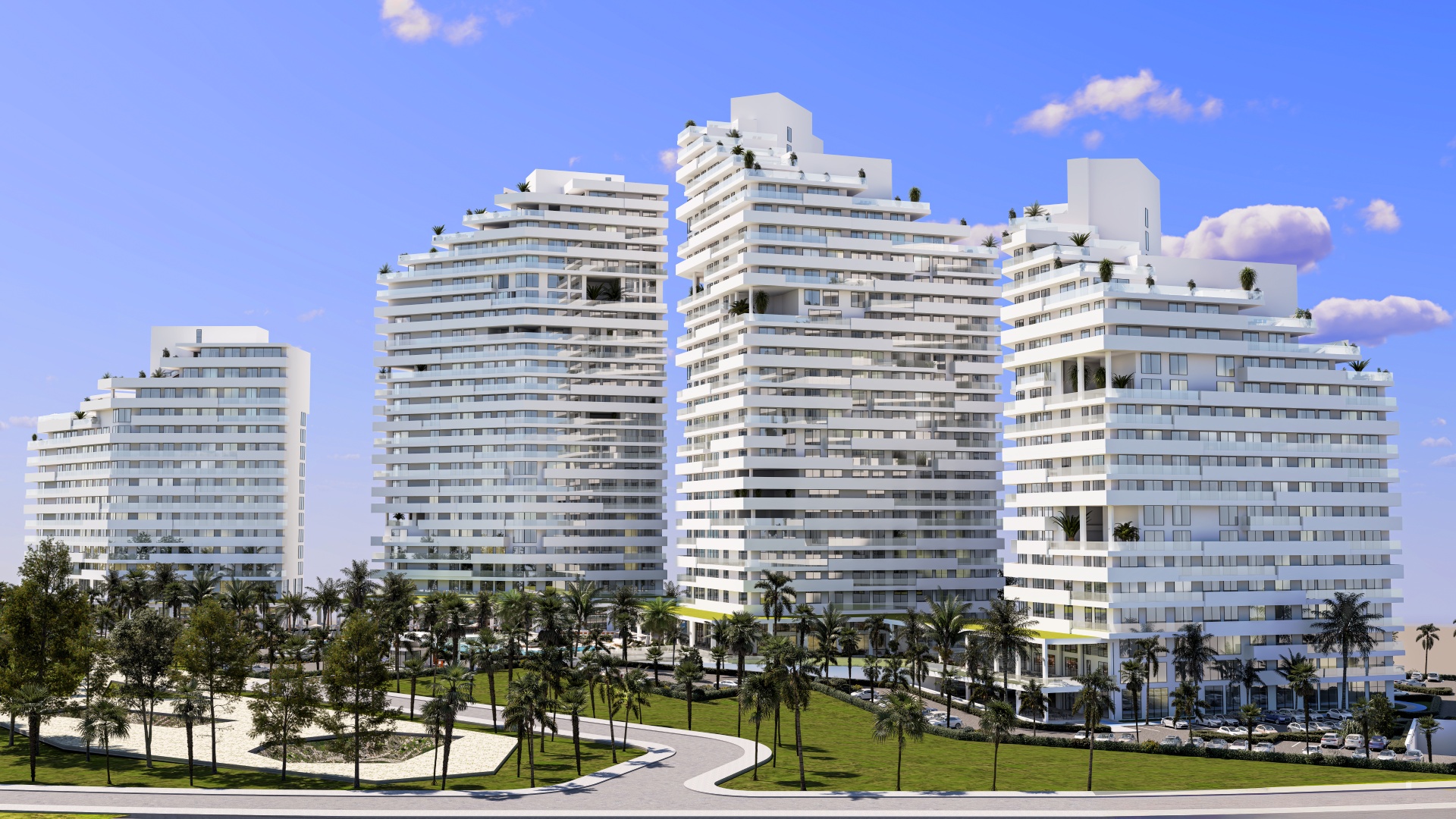
Visualizations show design assumptions, not how a building functions on a daily basis. That is why it is worth viewing completed projects by the same developer, preferably ones of a similar class, scale, and age.
On site, assess the common areas, façade quality, condition of landscaped areas, parking organization, noise levels, and distances between buildings. If possible, speak with the property manager or residents about defects, homeowners’ association costs, and the developer’s response after the sale.
Location, Layout, and Apartment Standard: What Affects Value?
The location of an apartment affects not only the owner’s comfort, but also its future appeal to tenants and subsequent buyers. Floor area and the number of rooms matter, but they do not tell the whole story about a property’s quality.
When choosing an apartment from a developer, assess access to shops, the beach, transport, schools, workplaces, or leisure infrastructure—depending on the purpose of the purchase. In tourist locations, it is also worth determining whether the property is likely to function year-round or mainly seasonally.
The floor, view, sun exposure, privacy, noise, and potential future development nearby are all important. A property with a well-planned layout and predictable surroundings is usually easier to rent out or sell later.
Apartment Floor Plan and Features That Cannot Be Easily Changed
Partition walls, the kitchen, and finishes can often be changed. It is more difficult to change the direction of natural light, ceiling height, the view from the window, distance from the neighboring building, or location relative to the elevator and a busy street.
Look at the floor plan critically: check the proportions of the rooms, storage space, the practicality of the living room and bedroom layouts, and the actual usable area of the balcony or terrace. A large floor area on a plan does not always mean a comfortable living space.
Scope of the Developer Standard and Appurtenant Features
Developer specifications should be read as a technical specification, not a marketing slogan. The term “premium” may mean a different scope depending on the country, developer, and project.
Before signing the contract, it is worth confirming the type of windows and doors, installations, insulation, air conditioning or air-conditioning provisions, common-area amenities, and terrace finishing rules. You should also establish the status of features appurtenant to the apartment: a parking space, storage unit, locker, or marina berth. They are not always included in the apartment price or transferred on the same terms as the apartment itself.
Apartment Price and the Full Cost of Purchase
The price of an apartment from a developer should be analyzed as a total cost, not only as a price per square meter. Two similar units may differ significantly in final cost once parking, furnishings, taxes, legal fees, and financing costs are added.
For an overseas investment apartment, it is worth calculating the initial acquisition cost separately from the ongoing costs of maintaining the property. The latter may include management fees, utilities, insurance, servicing, rental management, and local tax obligations.
|
Cost category |
What to confirm |
|
Apartment price |
floor area, currency, specifications, furnishings included in the price |
|
Appurtenant features |
parking space, storage unit, terrace, share in common areas |
|
Transaction |
reservation, legal, notarial, registration, and tax fees |
|
Financing |
loan costs, currency conversion, bank fees |
|
Maintenance |
property management, utilities, insurance, upkeep |
|
Rental |
management, cleaning, marketing, tax reporting |
Taxes and fees differ between jurisdictions, buyer status, and the intended use of the property. Rules known from Poland should not be applied to Spain, Greece, Dubai, or Bali without local verification.
How Should You Read the Payment Schedule and Asking Price?
The schedule may include a reservation fee, an advance payment or deposit, further installments tied to construction milestones, and a final payment. Before making a payment, determine whether the amount is refundable, in what situations you can withdraw from the contract, and what happens if the project is delayed.
You should also confirm exactly what the asking price includes and whether the contract allows for it to change. A low initial price should be treated with particular caution if it does not include mandatory purchase components.
Taxes, Fees, and Costs After the Apartment Handover
After the purchase, there may be transaction taxes, lawyer or notary costs, ownership registration costs, and bank fees. After handover, building management costs, utilities, insurance, and any rental-related expenses are added.
For a rental property, gross income must be separated from the actual result after costs. Tax obligations depend on the country, the buyer’s tax residency, and how the property is used. Before making a decision, it is worth obtaining an opinion from a local tax adviser.
Developer Contract and the Legal Security of the Purchase
A developer contract or local preliminary agreement specifies who is selling the property, what exactly is being purchased, how much the apartment costs, and when ownership is to be transferred. It should also regulate the specifications, payment schedule, withdrawal conditions, and the parties’ liability for delays.
In Poland, rules protecting residential property buyers are governed by the Developer Act. When purchasing property abroad, protection mechanisms may work differently, which is why the contract, land status, and payment method should be analyzed by a lawyer familiar with the law of the relevant country.
In international transactions, you may encounter an escrow mechanism, meaning an escrow account where funds are held and released according to conditions set out in the transaction. However, the name of the account alone is not sufficient protection—you need to establish who manages it, when funds can be released, and which regulations apply.
Contract Clauses That Require Particular Attention
The contract should be checked carefully for the handover date, the definition of a delay, and the consequences of a delay. The rules for project changes, the permitted difference in floor area, finishing specifications, and conditions for price increases are also important.
You should read clauses concerning contractual penalties, withdrawal from the contract, and dispute resolution. An unclear clause should not be left “to be clarified later”—it should be specified before the document is signed.
Ownership, Escrow Accounts, and Local Buyer Protection Rules
A safe apartment purchase requires confirmation of who owns the land or has the right to carry out the development, as well as how ownership of the apartment will be transferred to the buyer. In some countries, you must also check restrictions applicable to foreign buyers, the type of property right, and registration requirements.
Escrow accounts, bank guarantees, mandatory registers, or other safeguards may operate differently in each jurisdiction. A local lawyer should explain the scope of payment protection, the order of steps, and the document required to register ownership.
Apartment Handover, Defects, and Next Steps After Purchase
The handover of an apartment from a developer is the time to compare the completed property with the contract, floor plan, and specification of the agreed standard. It should not be treated as a formality, particularly if the apartment will be used remotely or immediately placed on the rental market.
Before handover, it is worth preparing the contract, technical specification, measuring tape, project documentation, and a checklist of items to inspect. If the buyer does not feel confident, assistance from an independent technical specialist can make it easier to assess visible defects.
A distinction should be made between the developer’s statutory liability for defects, arising from legislation or the contract, and the developer’s warranty, whose scope and terms are set by the guarantor. The details of these rights depend on the law governing the transaction.
Handover Report and Reporting Defects
During handover, check the compliance of the floor area, layout, doors, windows, installations, walls, floors, balconies, and items covered by the agreed standard. Defects should be described specifically, photographed, and entered into the handover report.
The report should state which defects have been reported, who is responsible for remedying them, and by when this should take place. Once repairs are completed, it is worth checking the work again. For overseas purchases, it is also useful to establish who will represent the owner locally if they cannot travel there in person.
Buying a new apartment is not about choosing the most attractive visualization. The safest decision combines a clear purchase purpose, a full budget, a vetted developer, a transparent contract, and independent legal and technical due diligence. MAG World Properties supports clients in selecting projects, analyzing documents, and organizing overseas property purchases, and the agency’s services are paid for by developers, so the investor does not pay a commission.
Frequently Asked Questions
What Documents Should You Check Before Buying an Apartment From a Developer?
You should check the information prospectus, draft contract, legal status of the land, permits, finishing specifications, payment schedule, and conditions for the transfer of ownership. Abroad, the documents should be assessed by a local lawyer independent of the seller.
Does the Price of an Apartment From a Developer Include a Parking Space and Storage Unit?
Not always. A parking space, storage unit, locker, or other features appurtenant to the apartment may be sold separately or under different legal terms. You should confirm their price, ownership status, and how the rights will be transferred in the contract.
How Long Does the Developer Have to Fix Defects After the Apartment Handover?
The deadline depends on the contract and the law applicable in the country of purchase. It should be stated in the handover report or the defect-reporting procedure. Each defect should be described precisely, documented with photographs, and all correspondence with the developer should be retained.
Does Buying an Apartment From a Developer Abroad Require a Local Lawyer?
Yes, a local lawyer is strongly recommended. They should check the legal title, contract, payment protection, taxes, and ownership registration rules. In some countries, it is also necessary to confirm the conditions under which foreigners may purchase property.